KGMU's Premier Blood Center Confronts Alarming A+ and AB+ Blood Group Crisis
The transfusion medicine department at King George's Medical University (KGMU) in Lucknow, which operates the largest blood center in Uttar Pradesh, is currently grappling with an acute and critical shortage of A positive and AB positive blood groups. This severe deficit is raising significant concerns about the timely and adequate treatment of numerous patients who depend on regular transfusions for survival and recovery.
Patient Care in Jeopardy as Stock Levels Plummet
This vital medical facility provides essential blood supplies for a wide range of patients, including those undergoing trauma care, surgical procedures, cancer treatments, and individuals living with thalassemia. Many of these patients require consistent and regular blood transfusions as part of their ongoing medical management. Officials disclosed that as of Saturday evening, the center's inventory held a dangerously low stock of only about 15 to 20 units of A positive blood and approximately 10 units of AB positive blood.
This meager supply stands in stark contrast to the center's substantial daily operational requirements, which can escalate to around 200 units of blood to meet patient needs adequately. The current inventory represents less than 15% of the typical daily demand, creating a precarious situation for healthcare delivery.

Administrative Disruptions Trigger Supply Chain Breakdown
Medical authorities have attributed this blood supply crisis primarily to significant administrative disruptions that have occurred over recent months. A critical factor has been the complete cessation of organized blood donation camps for nearly three months, which has severely weakened the network of regular voluntary donors. Many of these committed donors have subsequently shifted their contributions to other blood collection centers during this period.
The process of organizing and conducting blood donation camps has become increasingly complicated, now requiring higher-level administrative approvals that were not previously necessary. These bureaucratic hurdles have resulted in substantial delays in obtaining permissions, leading to multiple camp cancellations that have directly reduced blood supply and fundamentally disturbed the stability of blood stock levels.
Emergency Measures Implemented as Situation Worsens
With blood stocks depleting sharply over the past week, the transfusion medicine department has been forced to implement emergency conservation measures. The department has nearly completely stopped issuing blood without replacement requirements, making exceptions only for the most critical and life-threatening cases. This policy shift represents a significant departure from normal operational procedures and underscores the severity of the current shortage.
Medical staff are now undertaking concerted efforts to restart blood donation camps and reconnect with the network of regular donors that previously sustained the center's supply. Daily appeals are being made through various channels to encourage voluntary blood donations from eligible individuals, with the hope that consistent contributions can gradually stabilize blood inventory levels.
Medical Leadership Appeals for Public Support and Highlights Benefits
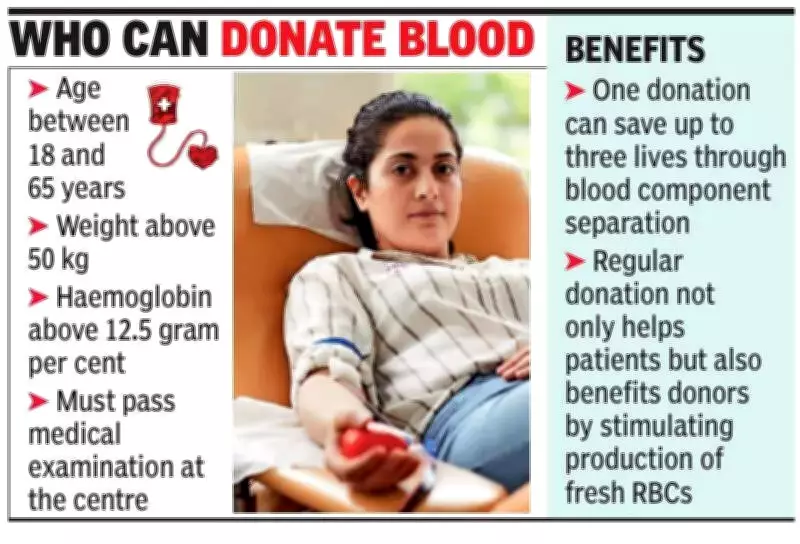
Professor Tulika Chandra, Head of the Department of Transfusion Medicine at KGMU, has issued an urgent appeal to eligible donors to come forward and contribute to this vital medical resource. Emphasizing blood donation as a fundamental humanitarian service, Professor Chandra highlighted that a single blood donation can potentially save up to three lives through advanced blood component separation techniques.
"Regular blood donation not only provides crucial assistance to patients in need but also offers significant health benefits to donors themselves," Professor Chandra explained. "The process stimulates the production of fresh red blood cells in the donor's body and has been associated with nearly a 5% reduction in heart attack risk among regular donors."

The professor further reassured potential donors about the safety protocols in place, noting that all donated blood undergoes comprehensive and free testing using advanced nucleic acid testing (NAT) technology. This sophisticated screening process checks for HIV, Hepatitis B, Hepatitis C, syphilis, and malaria, ensuring the highest standards of blood safety for both donors and recipients.
The current crisis at KGMU's blood center highlights the fragile nature of blood supply systems and the critical importance of maintaining consistent voluntary donation networks to support essential medical services across the region.