

Kolkata Hospitals Witness Alarming Rise in Cardiac Cases Amid Temperature Plunge
The recent sharp decline in mercury levels across Kolkata has triggered a concerning surge in cardiac diseases, with multiple major hospitals reporting significant increases in patients requiring emergency treatment and subsequent hospitalization. Medical professionals attribute this spike to the sustained cold spell, which intensifies cardiovascular risks through physiological mechanisms and behavioral changes.
Physiological Impact of Cold on Cardiovascular System
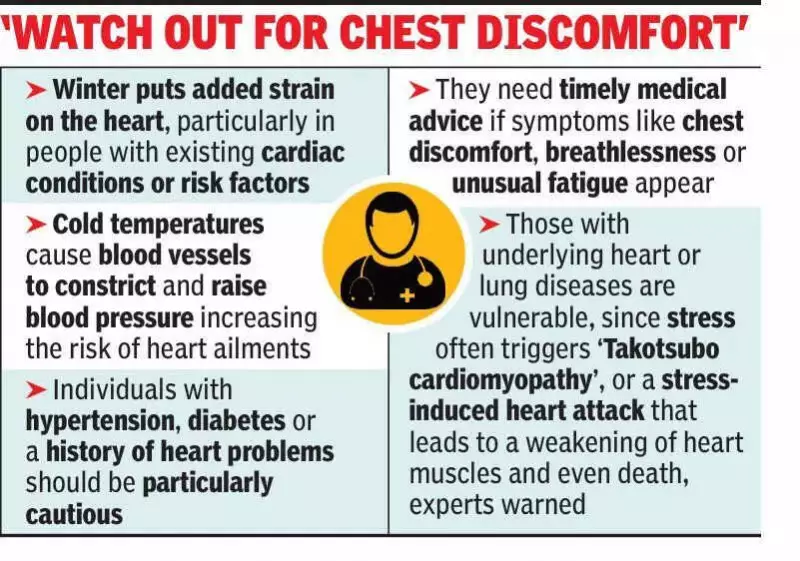
Doctors emphasize that cold temperatures directly strain the cardiovascular system through several interconnected mechanisms. Blood vessel constriction, medically known as vasoconstriction, occurs as the body attempts to conserve heat, leading to elevated blood pressure and increased cardiac workload. This phenomenon is particularly dangerous for individuals with pre-existing conditions or risk factors such as hypertension, diabetes, or high cholesterol.
"Winter places added strain on the heart, especially in people with existing cardiac conditions or risk factors like high blood pressure, diabetes, or high cholesterol," explained Dr. Anjan Siotia, director of cardiology at BM Birla Heart Hospital, which has experienced a steady stream of cardiac admissions.

Hospital Statistics Reveal Concerning Trends
Multiple healthcare institutions have documented notable increases in cardiac cases:
- Charnock Hospital reported a 20% surge in cardiac patients over the past week
- Manipal Hospital EM Bypass witnessed a 10% increase in acute heart attack cases this winter, accompanied by a 10%–20% rise in primary angioplasty procedures
- BP Poddar Hospital admitted over 23 patients with cardiovascular issues and stroke, including seven admissions in just two days
Dr. Tapopbrata De, cardiologist at Charnock Hospital, elaborated: "Low temperatures cause blood vessels to constrict, leading to increased blood pressure and added strain on the heart. Seasonal vasoconstriction, along with higher blood viscosity and reduced physical activity, can increase conditions like angina, heart attacks, and worsening of existing cardiac disease."
Compounding Risk Factors During Winter Months
Beyond direct physiological effects, winter introduces several secondary factors that exacerbate cardiac risks:
- Reduced physical activity due to colder weather
- Higher infection rates that strain the cardiovascular system
- Dehydration as people drink less water in cooler temperatures
- Lifestyle changes including dietary shifts toward richer foods
Dr. Ayan Kar, consultant in interventional cardiology at Narayana RN Tagore Hospital, noted: "Lower activity levels and lifestyle changes during winter can further strain the heart. To prevent complications, maintain adequate hydration, stay physically active, avoid smoking, eat less oily and sugary food, and restrict exposure to air pollution."
Increased Clinical Activity and Patient Presentations
Hospitals are observing not only more cardiac cases but also varied clinical presentations. BP Poddar Hospital's group advisor, Supriyo Chakrabarty, reported: "Our cardiac clinic and OPD also reported a spike in patients presenting arrhythmia and chest discomfort along with respiratory distress."
Dr. Dilip Kumar, director of the cath lab and senior interventional cardiologist at Manipal Hospital, highlighted additional physiological responses: "Other than artery constriction, the body's stress response becomes more active as people feel cold, leading to a higher heart rate and blood pressure. Winter is particularly a high-risk period and highlights the importance of regular monitoring and early medical attention."
Preventive Measures and Ongoing Concerns
Cardiologists across Kolkata are urging preventive measures while warning that cardiac ailments could continue rising over the coming weeks. Dr. Abhijit Aich Bhaumik, consultant cardiologist at BP Poddar Hospital, emphasized: "Narrowing of arteries in winter and reduced physical activity can worsen existing cardiac disease."

The medical community recommends regular health monitoring, maintaining physical activity within safe limits, proper hydration, and immediate medical attention for any cardiac symptoms. As temperatures remain low, healthcare providers are preparing for sustained demand on cardiac care services throughout the winter season.
