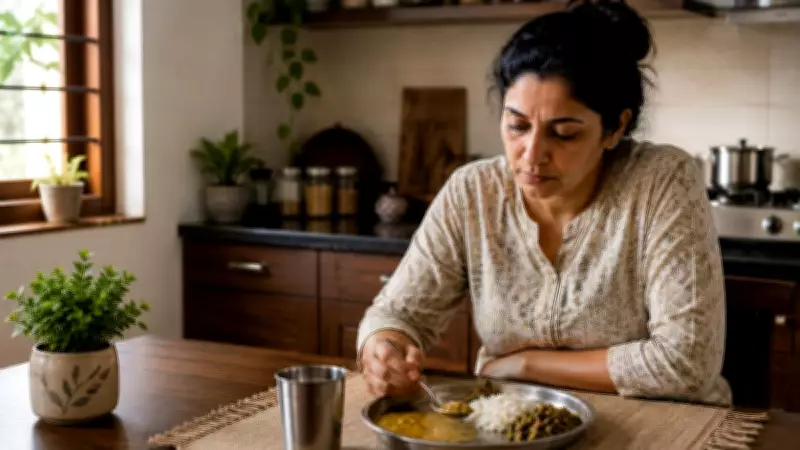
Understanding Last Plate Syndrome
Last Plate Syndrome is a prevalent phenomenon in Indian households where mothers often eat last after serving everyone else in the family. This selfless act, rooted in cultural norms and caregiving roles, can have significant health implications. The habit is so common that many women do not even recognize it as a potential health risk.
Health Consequences of Eating Last
Eating last frequently leads to skipped meals or consuming leftover food, which may lack essential nutrients. This can result in deficiencies of vitamins and minerals, affecting overall health. Common issues include anemia, weakened immunity, and digestive problems. Over time, chronic malnutrition can increase the risk of lifestyle diseases like diabetes and hypertension.
Why Does This Happen?
Indian mothers often prioritize family needs over their own. Cultural expectations, lack of time, and the desire to ensure everyone is well-fed contribute to this behavior. Additionally, many women are conditioned to believe that their needs are secondary, leading to neglect of personal health.

Breaking the Cycle
Raising awareness is the first step. Families should encourage mothers to eat with everyone else or ensure they have a balanced meal afterward. Meal planning and sharing responsibilities can help. Women must prioritize their health and recognize that self-care is not selfish but essential for the family's well-being.
In conclusion, Last Plate Syndrome is a hidden health issue affecting many Indian mothers. By understanding its causes and effects, we can work towards healthier eating habits and better overall health for women.