

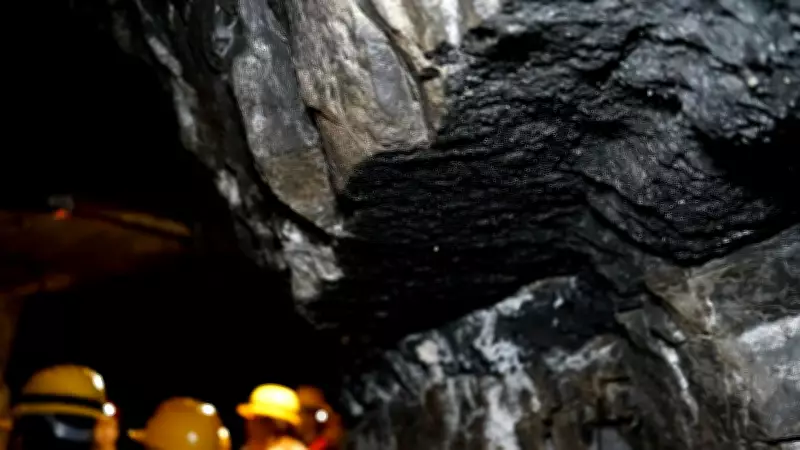
Meghalaya Rat-Hole Mine Explosion Claims Seven Lives, Rescue Operations Underway
A devastating incident has struck the coal mining region of Meghalaya, where at least seven people have been confirmed dead following a suspected explosion at an illegally operating rat-hole mine. The tragedy occurred in the forested area of Thangsku in East Jaintia Hills district, highlighting the persistent dangers of unregulated mining practices in the region.
Details of the Tragedy and Rescue Efforts
According to East Jaintia Hills Superintendent of Police Vikash Kumar, the bodies of seven workers have been recovered from the site. One survivor with severe burn injuries covering approximately 70% of his body has been urgently referred to Shillong, the state capital, for advanced medical treatment. The authorities received information about the incident around 8:45 AM on Thursday morning, prompting immediate response efforts.
Rescue teams face significant challenges in determining the exact number of individuals who may still be trapped inside the mine. SP Kumar explained, "The people who were around said there was an explosion, but we have not yet been able to investigate what caused this incident. A rescue team is on its way from Shillong, as well as the National Disaster Response Force (NDRF), and the focus currently is on search and rescue."

The recovered bodies belong to workers who managed to exit the tunnels themselves but subsequently succumbed to their injuries or respiratory issues. Postmortem examinations will determine the precise causes of death. However, the absence of coherent eyewitness accounts has left authorities without a clear estimate of how many miners might remain trapped.
The Perilous Nature of Rat-Hole Mining
Rat-hole mining involves digging narrow, horizontal tunnels that are typically only three to four feet high. These tunnels are either carved into hill slopes or branch out from vertical pits, creating extremely confined spaces where workers extract coal manually. It is within these claustrophobic passages that additional workers are feared to be trapped following the explosion.
Despite being officially banned, this hazardous practice continues to thrive in the coal-rich areas of Meghalaya and neighboring Dima Hasao district in Assam. The lack of proper safety measures, ventilation systems, and emergency protocols makes these operations particularly deadly when accidents occur.
A Recurring Tragedy in the Region
This latest incident adds to a grim history of mining disasters in Northeast India. Just over a year ago, nine miners lost their lives in an illegally operating rat-hole mine in Assam's Dima Hasao district when flooding trapped them underground. In 2018, another tragedy in East Jaintia Hills claimed the lives of 15 workers who became trapped in a similar rat-hole mine.
These repeated incidents underscore the urgent need for stricter enforcement of mining regulations and improved safety standards. The persistence of illegal mining operations despite official bans points to deeper socioeconomic issues, including poverty and lack of alternative employment opportunities that drive workers to take such dangerous jobs.
As rescue operations continue with teams from Shillong and the NDRF working to locate any survivors, questions remain about accountability and prevention of future tragedies. The community awaits answers while mourning the loss of lives in yet another preventable mining disaster.






