

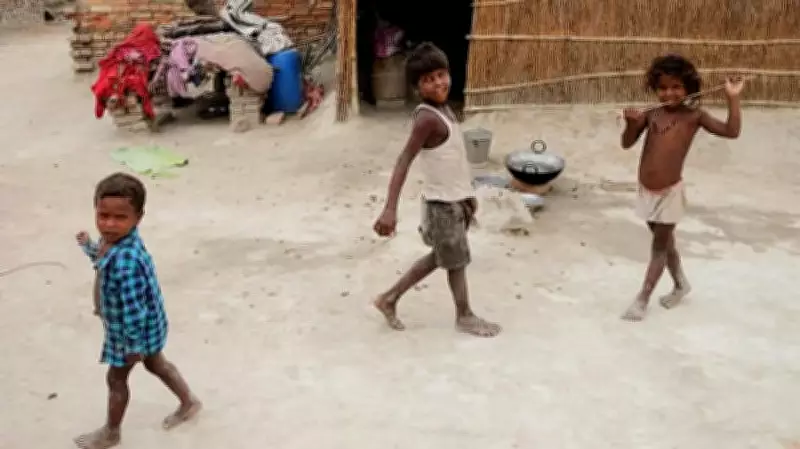
Melghat's Persistent Starvation: A 40-Year Saga of Neglect
Forty years have passed since the first reports of severe malnutrition and starvation emerged from Melghat, a tribal region in Maharashtra's Amravati district. Yet, the crisis persists, with courts repeatedly pleading for action while governments display a stark indifference. This ongoing tragedy underscores deep-rooted failures in public health, governance, and social justice, leaving thousands of vulnerable residents, especially children, in a state of perpetual hunger.
Historical Context and Escalating Crisis
The Melghat region, home to indigenous communities like the Korku tribe, has long grappled with food insecurity due to factors such as poverty, inadequate healthcare, and poor infrastructure. In the early 1980s, alarming rates of child deaths from malnutrition drew national attention, prompting initial interventions. However, over the decades, the situation has worsened rather than improved. Recent data indicates that malnutrition-related mortality remains high, with many children suffering from stunted growth and wasting diseases. The lack of access to nutritious food, clean water, and medical facilities exacerbates the problem, turning Melghat into a symbol of systemic neglect.
Judicial Interventions and Government Apathy
Indian courts have played a crucial role in highlighting Melghat's plight, issuing numerous directives to state and central governments to address the starvation crisis. Landmark judgments have emphasized the right to food and health as fundamental rights under the Constitution. For instance, the Bombay High Court and Supreme Court have ordered the implementation of schemes like the Integrated Child Development Services (ICDS) and the Public Distribution System (PDS) in the region. Despite these legal mandates, governments have often responded with delays, inadequate funding, and poor execution. Bureaucratic hurdles, corruption, and a lack of political will have hindered progress, leading to a cycle of judicial appeals and governmental inaction.

- Insufficient allocation of resources for nutrition programs.
- Failure to ensure last-mile delivery of food and healthcare services.
- Neglect of tribal rights and land issues affecting food production.
- Inconsistent monitoring and evaluation of government schemes.
Impact on Communities and Public Health
The starvation crisis in Melghat has devastating consequences for its residents. Children bear the brunt, with high rates of mortality and lifelong health impairments due to malnutrition. Adults, particularly women, face increased vulnerability to diseases and reduced productivity, perpetuating the cycle of poverty. The region's public health infrastructure is woefully inadequate, with few hospitals and a shortage of medical personnel. This neglect not only violates human rights but also hampers India's broader development goals, such as reducing infant mortality and improving maternal health.
Experts warn that without urgent intervention, Melghat could see a further escalation in hunger-related deaths, especially in the context of climate change and economic disruptions.Way Forward: Recommendations and Accountability
To break the cycle of starvation, a multi-pronged approach is essential. Governments must prioritize Melghat by:
- Increasing budgetary allocations for nutrition and healthcare programs.
- Strengthening implementation mechanisms to ensure schemes reach beneficiaries.
- Engaging with local communities to tailor solutions to their needs.
- Enhancing transparency and accountability through regular audits and public reporting.
Courts should continue to monitor compliance and hold officials accountable for lapses. Civil society organizations and media play a vital role in raising awareness and advocating for change. Ultimately, addressing Melghat's hunger crisis requires a sustained commitment from all stakeholders to uphold the right to life and dignity for every citizen.






