

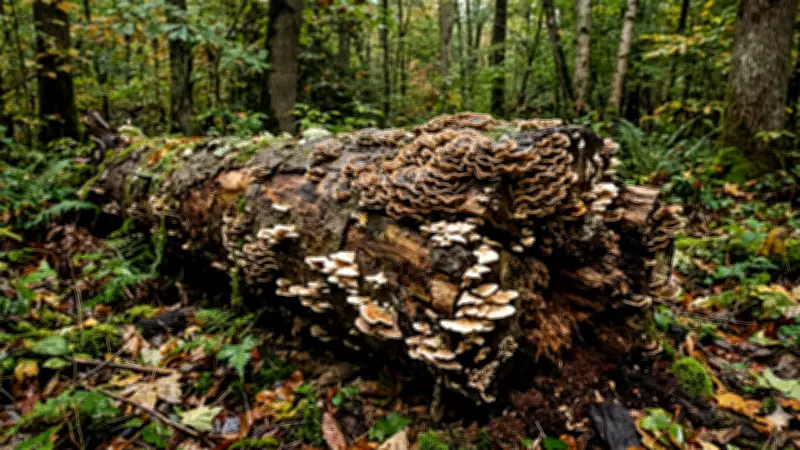
The Silent Threat Beneath Our Forests
Forests appear robust and enduring from the outside, yet a hidden danger is silently undermining their strength. Researchers are raising alarms about fungi that cause internal decay in trees, leaving them weakened without visible signs. This seemingly minor issue points to a far more serious environmental crisis: global warming.
How Climate Change Accelerates Fungal Infections
Fungi thrive under specific environmental conditions, and climate change is reshaping these factors in their favor. Rising temperatures, altered precipitation patterns, and increased humidity are creating ideal conditions for fungal growth and spread. A study titled 'Climate change putting millions more people at risk from infection-causing fungi' notes that "changes in environmental factors will change habitats and drive fungal adaptation and spread."
The adaptability of fungi makes this especially perilous. As climate change alters environments, fungi can colonize new areas and infect trees lacking natural immunity. Research on 'The impact of climate, local habitat, surrounding landscape and management on coffee wilt disease and Armillaria root rot on Arabica coffee in its native range' underscores how climate factors influence infections like root rot. Essentially, unpredictable climates are providing fungi with unprecedented opportunities to develop and proliferate.

The Invisible Decay: How Fungi Rot Trees from Within
Unlike insects or animals that cause visible damage to leaves or bark, certain fungi attack trees internally without external indicators. Examples include root rot, trunk rot, and wood decay fungi. Armillaria root rot, also known as shoestring fungus, is a prime example. It disrupts water and nutrient transport within trees, leading to death while the tree still appears healthy externally.
Fungal infections can remain undetected for years or even decades. By the time effects become visible, the internal damage is often irreversible, compromising forest integrity.
Why This Matters for Forests and Climate
The relationship between fungi and climate change is bidirectional. While climate change drives fungal development, fungi also impact climate dynamics. Some fungi sequester carbon in soil, but others release carbon dioxide during decomposition. A review titled 'Mushrooms in climate change mitigation: a comprehensive review' identifies mushrooms as "key players in carbon cycling." As fungi infect trees, stored carbon is slowly released into the atmosphere, increasing greenhouse gas levels.
Moreover, fungal growth reduces forest resilience against climate-related stresses like droughts, insect attacks, and extreme weather. This creates a feedback loop: climate change promotes fungi, which in turn exacerbate global warming by weakening carbon sinks.
The Urgent Need for Research and Policy Action
Scientists emphasize that fungi are often overlooked in conservation plans and climate policies, despite their significant ecological role. Increased research is crucial to understand these organisms better and integrate them into environmental strategies.
Fungi consuming trees from within are not just a concern for forest scientists; they serve as a warning for future ecosystems. As environmental changes persist, these invisible organisms will likely play an increasingly critical role in shaping ecological outcomes. Proactive measures are essential to mitigate their impact and protect global forest health.






