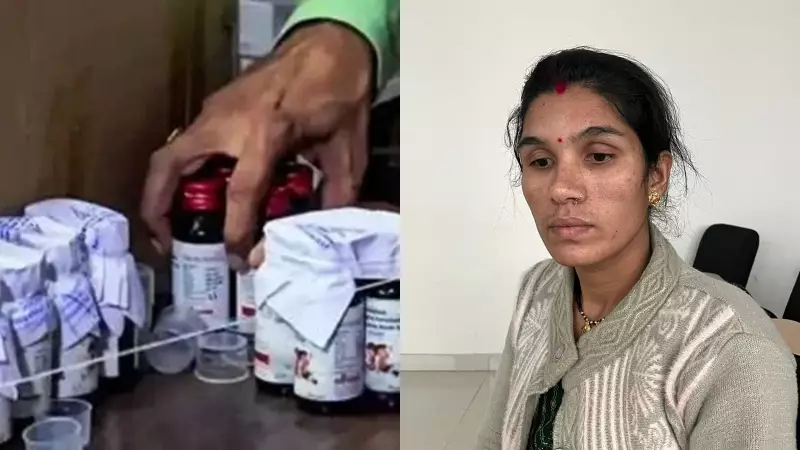
A Mother's Unwavering Hope Amid Tragedy
In the corridors of AIIMS Nagpur, Radha Yaduwanshi maintains a heartbreaking vigil outside the Paediatric Intensive Care Unit. Her three-year-old son, Harsh, fights for his life after consuming Coldrif cough syrup that caused severe brain and kidney damage. The Madhya Pradesh native spends her days talking to her unresponsive child, hoping for the miracle that will bring her son back to consciousness.
The Beginning of a Nightmare
The family's ordeal began around September 26 in Tikabarri village, located in Amla tehsil of Betul district, Madhya Pradesh. When Harsh developed symptoms of cough and cold, paediatrician Dr Praveen Soni prescribed Coldrif cough syrup. What should have been routine medication turned into a life-threatening situation that would change their lives forever.
Radha's struggle became even more challenging as she faced this medical crisis alone. Her husband, Gokul, was lodged in Multai jail over a family feud that occurred three months before Harsh fell ill. The desperate mother ran from pillar to post seeking treatment for her critically ill son, navigating the healthcare system without family support.

Journey to Nagpur and Medical Battle
After Dr Soni discovered that both of Harsh's kidneys had stopped functioning, the family made the difficult decision to travel to Nagpur on October 1. Financial constraints initially forced Radha to seek treatment in Betul, but when local doctors could offer no solutions, she gathered whatever resources she could find to bring her son to Nagpur.
Harsh was first admitted to New Health City Hospital for seven days, but the facility lacked the necessary equipment to treat his condition. The Madhya Pradesh government transferred approximately Rs 1 lakh for his treatment, covering the costs at the private hospital. Since October 7, the child has been under care at AIIMS Nagpur, where his condition remains critical.
During this traumatic period, Radha received brief relief when her husband was granted bail for just one hour to visit his critically ill son. This emotional reunion occurred two days after Madhya Pradesh Chief Minister Mohan Yadav visited AIIMS Nagpur to meet children from his state affected by the toxic syrup. Gokul has since secured long-term bail and is finally making his way to Nagpur to join his wife.
Medical Updates and Government Response
A senior AIIMS official provided a sobering medical update on Harsh's condition. "Harsh is still very critical," the official stated. "His kidney function has improved - he no longer requires dialysis support and is passing urine independently. However, the major concern remains his brain function."
The three-year-old continues to depend on ventilator support because he cannot breathe on his own. Medical teams are conducting brief trials to assess whether Harsh can trigger his own breathing. Recently, doctors observed the first signs of progress when they noticed him attempting to initiate breaths, though they emphasize it's too early to draw conclusions from this development.
Another child from Parasia in Chhindwara, Kunal Yaduwanshi, shows more promising signs of recovery. Kunal now requires only oxygen support rather than full respiratory assistance, and his kidney function has normalized. His brain function is gradually improving, with the child moving his limbs independently and occasionally responding to commands, though malnutrition from prolonged ventilator care remains a concern.
The Madhya Pradesh government has assumed responsibility for all treatment costs at AIIMS Nagpur. Hospital officials confirmed that "their bills of treatment are being generated internally and are being credited to the tab of the Madhya Pradesh government." Even incidental expenses like diapers that Radha had been purchasing will be reimbursed.
A Mother's Daily Struggle
Radha's life has become completely centered around her son's hospital room. "I live here in the hospital," she shares. "I get a meal plate for my son here, which I use. There is a Dharamshala nearby, and we get food there. Still, I don't feel like leaving my son. I just want to be by his side, all the time."

Her dedication extends throughout the night, when she checks on Harsh four to five times. During the day, she sits by his side, talking to him constantly despite his lack of response. "I call out to him and talk to him, even if he does not respond," she explains. "I say to him, 'Betu, open your eyes, we have to go home.' He does not look or respond to anything, but I talk to him daily, hoping for a miracle."
Meanwhile, her younger son, 1.5-year-old Pratik, remains with his grandmother in their village. The family's two-acre farm lies unattended since both parents have been unable to work, first due to Gokul's imprisonment and now because of Harsh's medical emergency.
Broader Impact and Regulatory Action
The Coldrif poisoning incident has triggered significant regulatory responses across India. Multiple state governments have banned the cough syrup, and the Central government has issued advisories regarding the use of such syrups for children. Medical professionals have expressed concern about the syrup's effects, noting that it causes not only kidney damage but also significant brain impairment.
Doctors treating the affected children emphasize that both Harsh and Kunal required extensive kidney support through Continuous Renal Replacement Therapy and prolonged ventilator assistance due to the severity of damage to both organs. The medical team remains cautiously optimistic about Kunal's survival chances but emphasizes taking Harsh's recovery one day at a time.
Despite the government's financial support for treatment, Radha notes that no officials from the Madhya Pradesh government have personally contacted the family, even though contact information was collected during the Chief Minister's visit. Her story represents one of many families affected by the contaminated syrup crisis, highlighting the urgent need for stricter drug safety regulations and more robust support systems for victims of medical product contamination.