

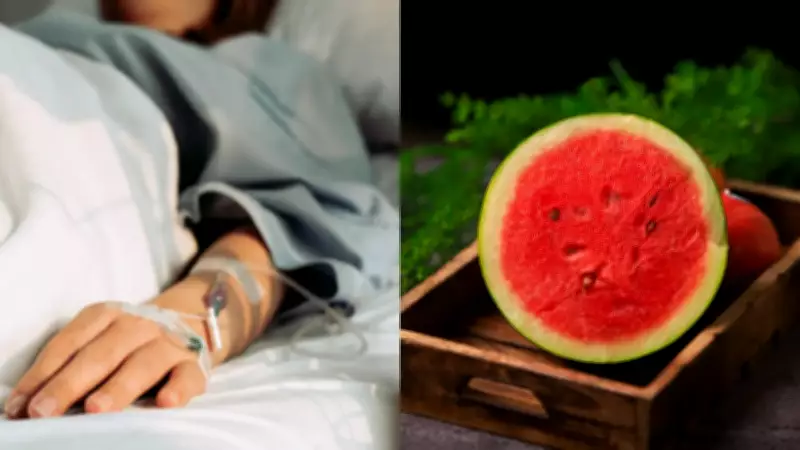
A tragic incident in Mumbai has highlighted the dangers of food contamination. A family of four—a 40-year-old man, his 35-year-old wife, and their two daughters aged 16 and 13—died within 24 hours after consuming watermelon, suspected to be contaminated. The family had hosted a dinner on April 25, serving chicken pulao to five relatives. Hours later, they ate watermelon and soon developed severe symptoms including vomiting, dizziness, and abdominal pain. All four succumbed, with the father being the last to die.
What Went Wrong
Preliminary investigations suggest the watermelon may have been the source of poisoning, as relatives who only ate the pulao remained unaffected. Authorities are considering bacterial contamination, chemical poisoning, or other reactions. The Mumbai police have registered an accidental death report and sent food samples for forensic testing. The storage, handling, and potential toxins in the fruit are under scrutiny.
Why the Watermelon Is Suspected
Experts note that hot and humid weather can cause reactions in raw fruits and vegetables. The Food Safety and Standards Authority of India (FSSAI) advises vigilance when buying fruits and recommends simple tests to check for adulteration.

What Studies Say
A study published by ResearchGate highlights that foodborne diseases result from ingesting contaminated foods. In a similar case, a family of six was hospitalized with gastroenteritis after eating watermelon. Investigation revealed that watermelons can be injected with sweeteners and coloring agents using a needle. The injected solution, stored in an earthenware bowl, grew colonies of enteroinvasive E. coli.
How to Check for Adulterated Watermelon
Use White Paper
Rub a white paper or tissue on a slice of watermelon. If colors stick to the paper, chemicals may be present.
Look at Appearance
Check for external marks, as watermelons stored on the floor may be nibbled by rats, posing infection risks.
Use Glass Tumbler
According to Food Safety and Drug Administration officer Vijayalalithambigai, put chopped pieces in a glass tumbler. Artificial colors will separate in water.
Use Cotton Balls
As per FSSAI, cut the watermelon and rub a cotton ball on it. If the cotton turns red, it indicates injections or chemicals. Real watermelon will not stain the cotton.
Check the Shape
A uniform, symmetrical shape indicates unadulterated fruit. Irregularities may suggest uneven ripening or improper growing conditions.
Give It a Thump
Lightly tap the watermelon. A deep, hollow sound indicates ripeness.
Check Color and Texture
The outer rind should have vibrant colors and firm texture, signs of genuineness.
Check the Bottom
Look for a creamy yellow spot on the underside, known as the 'field spot'. This indicates the watermelon ripened fully on the vine.
By following these simple checks, consumers can reduce the risk of consuming adulterated or contaminated watermelon.






