

National Institute of Virology Targets Indigenous H5N1 Vaccine Development
In a significant development for India's public health preparedness, Dr Naveen Kumar, Director of the National Institute of Virology (NIV), has announced that an indigenous vaccine candidate for the highly pathogenic H5N1 avian influenza could be ready by the end of this year. The institute is actively collaborating with multiple pharmaceutical partners and exploring various vaccine technology platforms to accelerate this critical initiative.
Multi-Platform Vaccine Development Strategy
The National Institute of Virology has established strategic partnerships with three different pharmaceutical companies and is pursuing multiple technological approaches simultaneously. These include inactivated vaccines, live attenuated vaccines, and mRNA vaccine platforms to identify the most effective candidate against the H5N1 virus.
"We have one project with the Serum Institute of India, wherein we are going to develop a re-assortant vaccine against H5N1," Dr Kumar explained during a conversation with media representatives. "We are making virus-like particles in another project with Premas Biotech and are working on an mRNA vaccine with Gennova."

High Mortality Rate and Pandemic Potential
Dr Kumar emphasized the serious threat posed by H5N1, noting that while COVID-19 had a mortality rate of less than 1%, H5N1 demonstrates a mortality rate of approximately 50%, making it a potential pandemic candidate. The virus has shown concerning spillover infections in various animal species in recent years, including goats, lions, cats, falcons, and poultry across India.
"The situation was scary because it will be a disaster if the virus readily transmits from animals to humans and humans to humans," Dr Kumar stated, highlighting the importance of proactive vaccine development despite the current limited human transmission.
Surveillance and International Collaboration
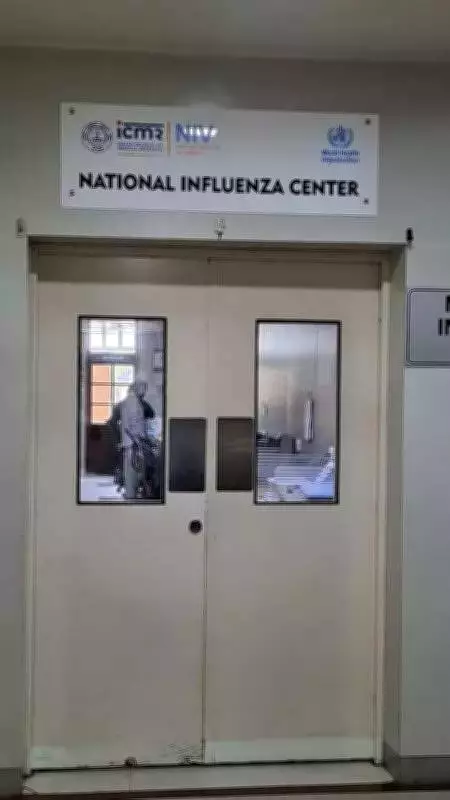
As a designated National Influenza Centre, NIV conducts twice-annual testing of samples to monitor circulating influenza strains in the environment. Regular surveillance reports are submitted to the World Health Organization, which then recommends appropriate seasonal vaccines based on this data.
The institute maintains particular surveillance on individuals who work in close contact with poultry at farms, given the historical patterns of bird flu transmission. While India has experienced increased bird flu cases in poultry since 2006, human transmission remains rare in the country.
Accelerated Development Timeline
Dr Kumar revealed that NIV teams visited Kerala in 2025 to isolate the H5N1 virus, initiating the vaccine development process. The institute is also developing a wholly in-house inactivated vaccine platform alongside its collaborative projects.
"We believe that in the next few months or a year, we will have a vaccine candidate ready to use at least in a state of emergency to prevent a potential threat," Dr Kumar projected. He clarified that while NIV will develop the vaccine technology, manufacturing will be handled by commercial partners due to the institute's limitations.
Future Clinical Trials and Youth Engagement
Once a vaccine candidate is finalized, further clinical trials will be conducted in partnership with pharmaceutical companies to ensure safety and efficacy. In a related development, NIV recently hosted 30 school students on its annual day to demonstrate the institute's functioning and inspire future scientific contributions.
"The intention was to inspire the children into joining the institute and contribute to the country's development," Dr Kumar added, emphasizing the importance of cultivating scientific talent for national health security.






