Oral Cancer Emerges as Major Health Threat in India, Rivaling Breast Cancer Incidence
In a concerning development for public health in India, leading oncologists have revealed that oral cavity cancer is now competing with breast cancer in terms of prevalence across the country. This alarming trend highlights how changing lifestyle patterns and deeply ingrained habits are reshaping disease epidemiology in the nation.
"I Would Run After Them to Spit It Out": Oncologist's Personal Observation
Dr. Sewanti Limaye, a prominent oncologist with nine years of experience working in India, shared a powerful anecdote that illustrates the widespread nature of tobacco chewing. "The first few observations that I had were of the people working at my place with women chewing tobacco. I would run after them to spit it out. It's such a common practice," she revealed during a podcast conversation with Soha Ali Khan. "Oral cavity cancers are also on the rise. Huge problem statement in India."
Statistical Reality: Oral Cancer vs. Breast Cancer in India
Dr. Hitesh Singhavi, consultant for head and neck oncosurgery at KIMS Hospitals in Thane, provided detailed statistics that confirm this troubling trend. Oral cavity cancer has emerged as one of the most common cancers in India, with its numbers comparable to and sometimes exceeding breast cancer in specific regions and populations.

Dr. Singhavi clarified the gender-specific dimensions of this comparison: "We see 1,43,000 new oral cancer cases every year, with a 1:6 ratio biased towards males. So oral cancer is the most common cancer in males. We see approximately 1,92,000 breast cancer cases, with more than 98 percent of cases occurring in females. So, oral cancer is catching up more in males and breast cancers in females."
The Driving Forces Behind Oral Cancer's Rise
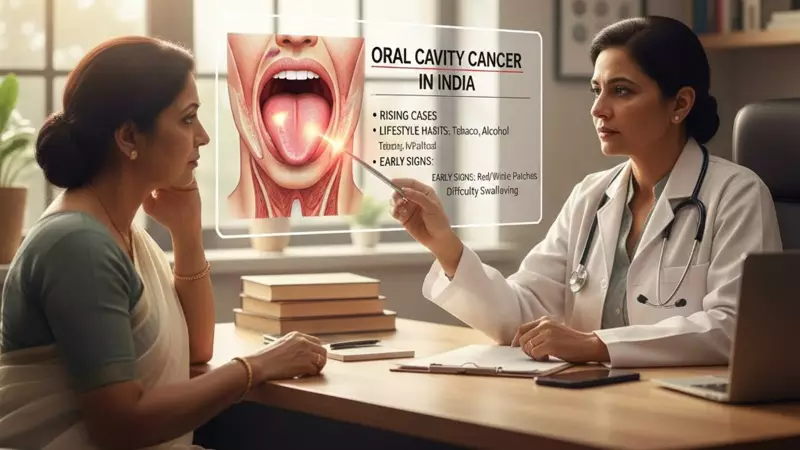
The mouth's direct exposure to various substances makes it particularly vulnerable to lifestyle-related damage. Dr. Singhavi explained: "Tobacco, chewing Areca nut, alcohol, chronic irritation from sharp teeth, and poor oral hygiene constantly irritate the mouth lining. Over the years, this ongoing damage hinders healing and raises the risk of abnormal cell growth."
What makes this situation especially concerning is that oral cancers are strongly linked to preventable habits that remain widely prevalent and socially accepted across India, including among women. Unlike breast cancer, which involves complex biological and hormonal factors, oral cavity cancer is largely driven by modifiable lifestyle choices.
Why Early Warning Signs Are Often Missed
Early detection remains a significant challenge for oral cancers. "Early signs in the mouth are often painless," noted Dr. Singhavi. "Small mouth sores, white patches, or stiffness similar to benign ulcers are often ignored or treated with home remedies. Since eating and speaking continue as normal, the urgency to address these issues fades."
Lifestyle Factors Influencing Both Cancers
While oral cancer is primarily driven by direct exposure to harmful substances, breast cancer risk is closely tied to metabolic and hormonal health. Dr. Singhavi explained: "Poor sleep, little physical activity, weight gain, and chronic stress disrupt hormone balance, which indirectly affects breast tissue health."
Both cancers reflect how modern lifestyle changes—including long work hours, high stress, irregular meals, poor sleep, and easy access to harmful substances—are outpacing our bodies' ability to adapt, creating new disease patterns across the population.
Prevention Strategies and Public Health Implications
The silver lining in this concerning trend is that oral cavity cancer remains largely preventable through conscious lifestyle modifications. Key preventive measures include:
- Avoiding tobacco in any form
- Cutting down on alcohol consumption
- Maintaining proper oral hygiene
- Staying physically active
- Seeking prompt medical evaluation for persistent mouth changes
Dr. Singhavi emphasized: "Oral cavity cancer is mostly preventable. Being aware of daily habits and paying attention to minor symptoms can stop the disease before it progresses."

This rising incidence of oral cancer represents not just a medical challenge but a significant public health and behavioral issue that demands greater awareness, targeted interventions, and policy-level changes to address the root causes driving this epidemic.