

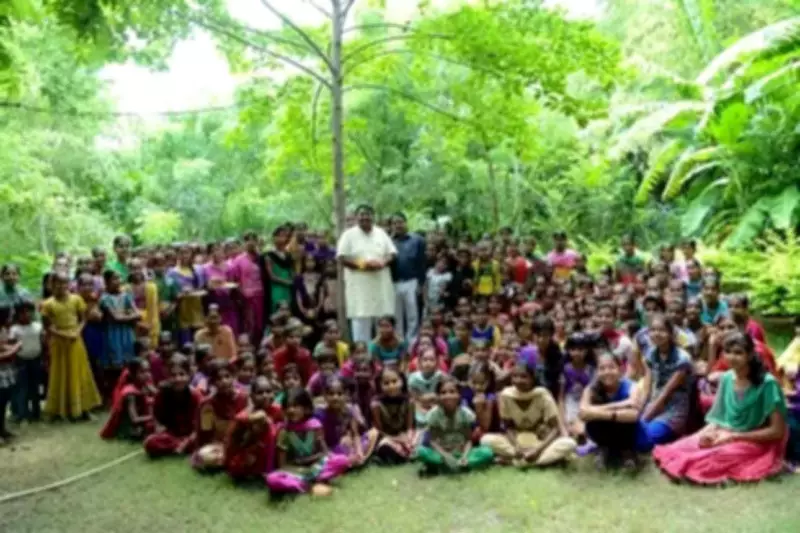
Piplantri's Green Revolution: How a Village Celebrates Girls with 111 Trees
In the heart of Rajasthan's Rajsamand district lies Piplantri, a small village where the birth of a girl is not merely a private family moment but a vibrant community celebration. This unique tradition has turned personal sorrow into a powerful social movement, rewriting local norms through the simple act of planting trees.
A Father's Grief Transforms into Public Action
The story traces back to Shyam Sunder Paliwal, the former sarpanch of Piplantri, who channeled his grief over the loss of his daughter Kiran into a groundbreaking initiative. Starting around 2007, the village began planting 111 trees for every girl born, a practice that quickly evolved into a defining local custom. This radical idea aimed to replace mourning with green life, community support, and a tangible affirmation that every daughter matters.
The Ritual: More Than Just Symbolism
According to reports from The Hindu and the village's official site, the ceremony involves villagers planting 111 trees upon a girl's birth, with the community ensuring the saplings' survival as she grows. This is complemented by financial planning for her future. Earlier accounts mention Rs 31,000 collected through family and community contributions, placed in a fixed deposit. The official site links this support to the Kiran Nidhi Yojana, invested under the PM Sukanya Samriddhi Yojana until she turns 20.

From Barren Land to a Thriving Green Commons
The environmental impact of this initiative is profound. Within the first six years, Piplantri had planted over 250,000 trees, a number that soared past 350,000 by 2018, as confirmed by international coverage and the village's website. In an area once plagued by drought, this afforestation drive has revitalized the landscape, improving groundwater levels and soil fertility, demonstrating how social efforts can yield ecological benefits.
Challenging Gender Bias Through Community Action
Piplantri's significance lies in its challenge to deep-seated gender biases in rural India. Shyam Sunder Paliwal noted initial reluctance among families to accept girl children. The village responded with a system that blends ritual, accountability, and economic support, requiring commitments to educate daughters, avoid child marriage, and care for the trees. Over time, this has shifted public perception, making a girl's birth a cause for celebration rather than concealment.
Beyond Trees: A Holistic Ecosystem for Empowerment
The model extends beyond tree planting. Villagers introduced aloe vera around the commons to protect saplings from termites, later developing it into a livelihood opportunity through products like juice and gel. The official site describes this as part of a broader ecosystem fostering women's empowerment, skill development, and a local green economy, highlighting a structured approach that supports girls, families, and the environment simultaneously.
Recognition and Lasting Impact
Paliwal's efforts earned national acclaim, with the Ministry of Home Affairs listing him among Padma Shri awardees in 2021 for social work. However, the true achievement is the village's routine practice of dignity. Piplantri's model illustrates how valuing girls at birth can ripple through habits, language, economics, and the land itself, offering a resilient alternative to treating them as burdens.
The Larger Lesson: A Deliberate Cultural Shift
Piplantri is not a miracle but a testament to deliberate, repeated choices that have become culture. By celebrating daughters publicly and supporting them materially, the village has created a sustainable promise for the future, inspiring communities nationwide to rethink gender norms and environmental stewardship.






