

Most people know to put on sunscreen before stepping into strong sunlight. They know UV rays damage the skin. But ask those same people whether they protect their eyes with equal care, and the answer is usually no. That, says Dr. Minal Kanhere, Consultant Cornea, Cataract and Refractive Surgeon at Dr. Agarwal's Eye Hospital, Chembur, is a problem because your eyes are just as vulnerable to UV rays as your skin.
What is Photokeratitis?
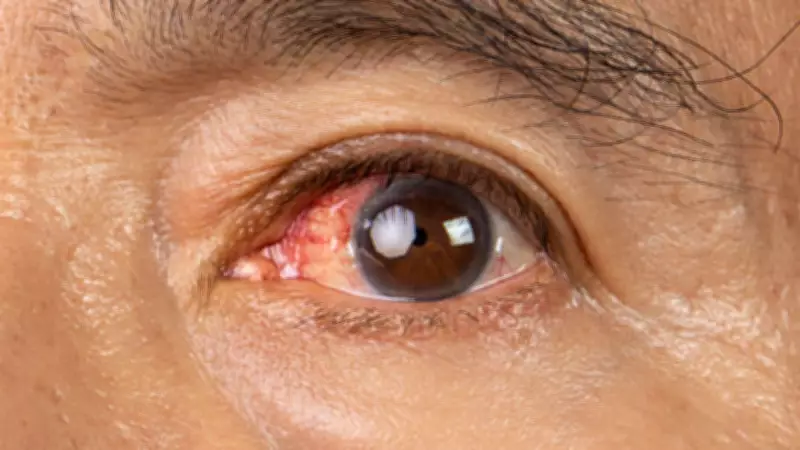
Dr. Kanhere describes photokeratitis simply as 'sunburn of the eyes.' It is an acute and painful condition that occurs when the eyes are directly exposed to UV rays. These rays can severely damage two key parts of the eye: the cornea, which is the clear front surface, and the conjunctiva, the thin tissue that lines the eyelids and covers the white of the eye.
What catches most people off guard is that direct sunlight isn't the only cause. UV light from the sun can also be reflected off surfaces like snow or water, which can result in the same condition commonly known as snow blindness or water blindness. Beyond natural sources, Dr. Kanhere points out that other UV sources can trigger photokeratitis as well. These include lasers, lightning, electric sparks, mercury or halogen lamps, and welding equipment. And looking directly at the sun can cause damage to the retina, a separate and more serious condition known as solar or eclipse retinopathy. In some cases, she warns, this may result in permanent blindness.

What are the symptoms?
The effects of photokeratitis, Dr. Kanhere explains, can be either acute or chronic depending on the nature of exposure. Acute cases, resulting from very high UV exposure over a short period, tend to be sudden and painful. The typical complaints include redness, pain, excessive watering, and extreme sensitivity to light. Many patients also report blurred vision, halos around lights, a foreign body sensation and headaches. These symptoms often appear hours after the actual exposure, which is why people frequently don't connect what they're feeling to what they were doing earlier in the day.
Chronic exposure is a different story. Low levels of UV exposure over many years may not cause immediate pain, but the long-term damage can be far more serious. Dr. Kanhere says prolonged UV exposure has been linked to the development of macular degeneration, cataracts, and pterygium, a condition where a fold of conjunctival tissue grows over the cornea. These conditions develop slowly and quietly, which makes consistent eye protection all the more critical.
Who is most at risk?
Dr. Kanhere is clear about who needs to be most careful. People involved in a lot of outdoor work or activities are at the highest risk. Sportsmen, athletes, swimmers, hikers, farmers, and labourers are especially vulnerable given the nature and duration of their sun exposure. People living at higher altitudes also face a greater risk because UV radiation intensifies the higher you go, with less atmosphere to filter it out.
How to protect your eyes
On prevention, Dr. Kanhere's advice is specific and practical. UV-A and UV-B blocking sunglasses are essential when going outdoors. She advises avoiding looking at the sun at all times, and especially during a solar eclipse without proper protective eyewear. Similarly, avoid looking at snow or water without sunglasses, given how effectively these surfaces reflect UV rays back toward the eyes.
People involved in outdoor sports or occupational work must use proper protective eye gear suited to their activity. She also recommends avoiding going out during midday peak hours — roughly between 10 AM and 2 PM — when UV rays are at their most intense. A hat that shields the face and eyes adds another layer of protection, and sunscreen applied to the face, nose, and around the eyes helps cover what eyewear alone doesn't.
What to do if symptoms appear
If photokeratitis does occur, Dr. Kanhere advises starting artificial tear drops immediately to cool and soothe the eyes. A cooling mask or a wet cloth placed over closed eyes can also help bring relief. She stresses the importance of staying away from the sun and avoiding screen exposure while the eyes recover. And if there is no improvement within a reasonable period, the advice is straightforward: consult an eye doctor immediately and don't wait it out.

The sun's capacity to damage skin has been understood for decades. The eyes deserve the same awareness, and the same instinctive protection, starting now, not after something goes wrong.





