Pune's Mhalunge Residents Confront Toxic Water Infested with Red Bloodworms
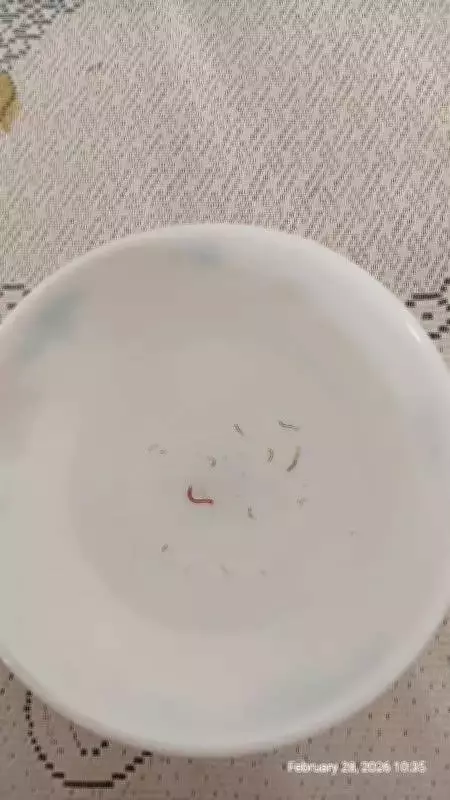
Imagine turning on your kitchen tap to fill a bottle, only to witness dozens of wriggling little red worms emerging in murky, foul-smelling water. This horrifying scenario has become a daily reality for approximately 7,000 households in Mhalunge, Pune, who rely solely on the heavily polluted Mula river as their primary water source. Residents report that the water has grown increasingly toxic and unusable in recent times, sparking urgent health and sanitation concerns.
Alarming Deterioration of the Mula River
The Mula river has suffered a severe decline in quality, with a thick blanket of hyacinth choking its flow and causing significant stagnation over the past several months. This stagnation has created an ideal breeding ground for red bloodworms, which are now appearing directly in household taps. Among the worst affected are residents of the VTP Leonara society in Mhalunge, an upscale residential project with 1,268 flats near the Hinjewadi IT hub. Forced to use this compromised water for drinking and daily activities, they face chronic health problems, including itchy skin, hair loss, and frequent illnesses. Their demand is clear: access to clean, safe water.
Root Causes and Resident Complaints
Ravi Rokade, an IT professional who has lived in the society for three years, highlighted the sanitation crisis. "This is an out-and-out sanitation issue. There is more sewage and less river water flowing in the Mula at present," he explained. "Rapid urbanization in this area over just a few years has led to improper waste disposal from new townships and labor camps, all of which ends up in the river. We were promised top-notch facilities as part of Pune's Smart City initiative, but clean water—the most basic amenity—remains elusive."

Residents note that red bloodworms have been intermittently present in their water for nearly two years, with a notable increase in volume over the past year. These worms, belonging to the Chironomidae family, thrive in stagnant water rich in organic matter and are commonly used as fish feed. Surabh Joshi, another society resident, described the water as odorous and brackish. "Each time we complain, the issue is temporarily resolved but soon recurs. The river is extremely polluted, with large amounts of hyacinth causing stagnation and breeding mosquitoes and larvae," he said. Joshi called for audits of sewage treatment plants near the river, regular hyacinth removal, and accountability from authorities for the poor water quality.
Systemic Failures and Lack of Accountability
Complaints to the builder and the Pune Metropolitan Region Development Authority (PMRDA) over the last few months have yielded no lasting solutions. Residents point out that the bloodworms bypass multiple filtration layers, including a jackwell, water treatment plants managed by the builder and residents, and reverse osmosis systems. Society chairman Ashish Bapat stated, "The condition of the water is so bad that we had to change the entire water treatment plant machinery in three years instead of five to seven. A massive cleanliness drive of the river is crucial now."
This is not an isolated incident; in February 2024, the Blue Ridge Township in Hinjewadi faced similar issues with water from the Mula river. Advocate Shrikant Dalvi, a society resident, blamed bureaucratic red tape for the suffering. "This area falls under PMRDA's Mhalunge-Maan township planning scheme, which awaits government approval, so only temporary fixes are possible. Although merged with Pune Municipal Corporation in 2021, the handover is incomplete, leaving no authority willing to take responsibility," he explained.
Residents, including IT professional Nitin Shinde, fear the situation could worsen with summer approaching. "Who will be responsible if this water results in loss of life or severe illness? We only get temporary solutions, with no will for permanent rectification. Are we waiting for another Indore-like disaster in Pune?" he asked, referencing a 2026 contaminated water outbreak in Madhya Pradesh.

Health and Environmental Concerns
Following the Guillain-Barré Syndrome outbreak in Pune last year, new cases have been detected in Nira village, Purandar. Pushkar Kulkarni, who filed a petition in the National Green Tribunal regarding groundwater contamination, linked the issue to untreated sewage and industrial effluents. "High E. coli levels in water sources indicate systemic waste management failure. I demand immediate accountability and corrective action from PMC, MPCB, and disaster management authorities to prevent further spread," he added.
Developer Response and Official Statements
VTP Realty, the developer, acknowledged the issue after it was brought to their attention three weeks ago. Inspections revealed operational gaps at the society-level water treatment plant, such as malfunctioning dosing pumps, UV systems not operating, and improper treatment procedures. The developer stated they are conducting supportive audits every 2–3 days and have provided recommendations for improvement, with the society committee initiating corrective steps. They are also enhancing township-level water treatment plant infrastructure to prevent future incidents.
Shweta Patil, Assistant Director of Town Planning at PMRDA, confirmed awareness of the issue after a January complaint. "We sent a notice to the builder, who conducted water tests with clear reports. If the issue persists, we will revisit and resolve it at the earliest," she said.
As Mhalunge residents continue to battle this water crisis, the call for clean water and systemic accountability grows louder, highlighting broader environmental and public health challenges in rapidly urbanizing areas.