

Pune Village Grapples with Garbage Crisis, Health Fears Mount Ahead of Festivals
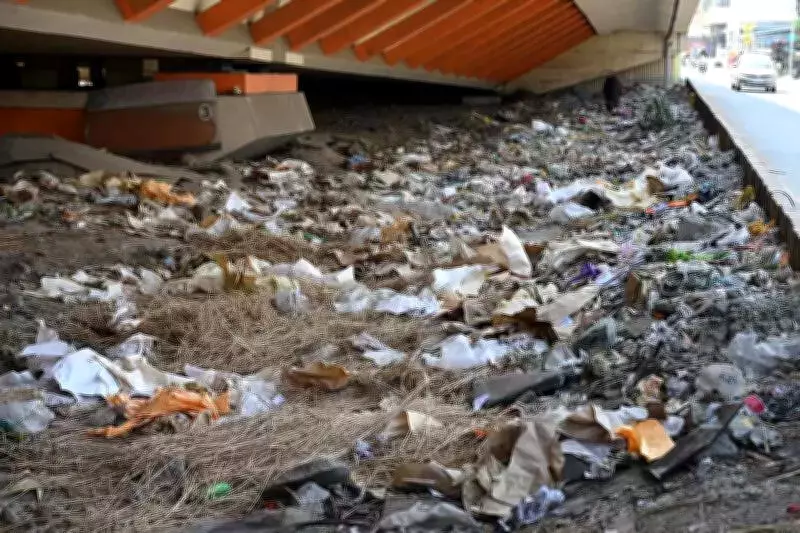
In the village of Loni Kalbhor near Pune, the festive spirit is overshadowed by a growing environmental and health emergency. Razia Tamboli watches helplessly as her six-month-old granddaughter's tiny arms and legs are covered with red mosquito bites, a direct consequence of uncollected waste piling up since Saturday. Next door, Shubhangi Honerao despairs over how she will celebrate Gudi Padwa, the Maharashtrian New Year, with an overflowing tractor of rotting garbage parked outside her home, blocking the traditional spot for raising the Gudi.
Mounting Waste and Health Hazards
The garbage crisis erupted when MIT-ADT University blocked access to the village's traditional dumping site, located near the Mula-Mutha River. This site has drawn a show-cause notice from the Maharashtra Pollution Control Board (MPCB) for illegal dumping on the riverbed. With waste collection halted, the village of 80,000 residents is now buried under accumulating trash, leading to a mosquito explosion. "Even with repellents and fans on full speed, the insects are everywhere. Toddlers are the worst affected. I am terrified the children will contract dengue or malaria," said Tamboli, highlighting the heightened risks during the holy month of Ramzan as Eid approaches.
Desperate measures have emerged, with shopkeepers and residents burning trash, leaving charred remnants lining the streets near a Ram Temple and mosque. Rukmini Rathore, a homemaker, expressed frustration: "Accumulating wet waste is a massive health risk. Stray dogs are congregating wherever the trucks have dumped. Will the district administration only take notice once people start falling seriously ill?" Historically known for cleanliness, according to sanitation worker Sushma Kamble, the village now faces unprecedented filth.

Administrative Deadlock and Environmental Concerns
Nagesh Kalbhor, the administrator and former sarpanch, explained that the only available land for dumping was a 7.64-hectare government plot behind MIT-ADT University, but access was denied after a dump fire on February 26 engulfed the campus in toxic smoke for three days, prompting student protests. However, a deeper issue surfaced: a letter from the MPCB dated March 1 revealed the gram panchayat never obtained necessary permissions under solid waste management rules (2016) to use that site.
Kalbhor added that finding alternative land has hit a wall due to financial constraints. "No one is willing to rent land for a garbage dump. Our only income is residential property tax, which is meagre. We cannot afford to lease land 12km away or pay the high costs of private waste processing companies," he said. Emergency meetings involving block development offices, zilla parishad, and divisional administration have failed to yield a solution.
Spillover Effects and Temporary Measures
The crisis has extended to the neighbouring village of Kadamwakwasti, which shared the dumping site. In desperation, administrator Nasir Khan Pathan designated an open space in the village center for waste disposal, allowing door-to-door collection to resume on Wednesday. "This is a temporary, flawed solution, but at least the waste is out of people's homes," Pathan admitted. He warned of environmental hazards, especially with the monsoon approaching, and expressed fear over the lack of a permanent solution before rains start.
As dark clouds gathered on Wednesday, providing brief respite from summer heat, villagers' anxiety only deepened. Honerao noted, "The garbage hasn't been picked up since Saturday. Despite the dry heat, the stench is already unbearable. If it rains, the filth will flow onto the roads, and we won't be able to step outside." The situation underscores urgent calls for action to prevent health disasters and environmental degradation in the region.






