

Pune Doctors Report Significant Increase in Winter Allergy Cases
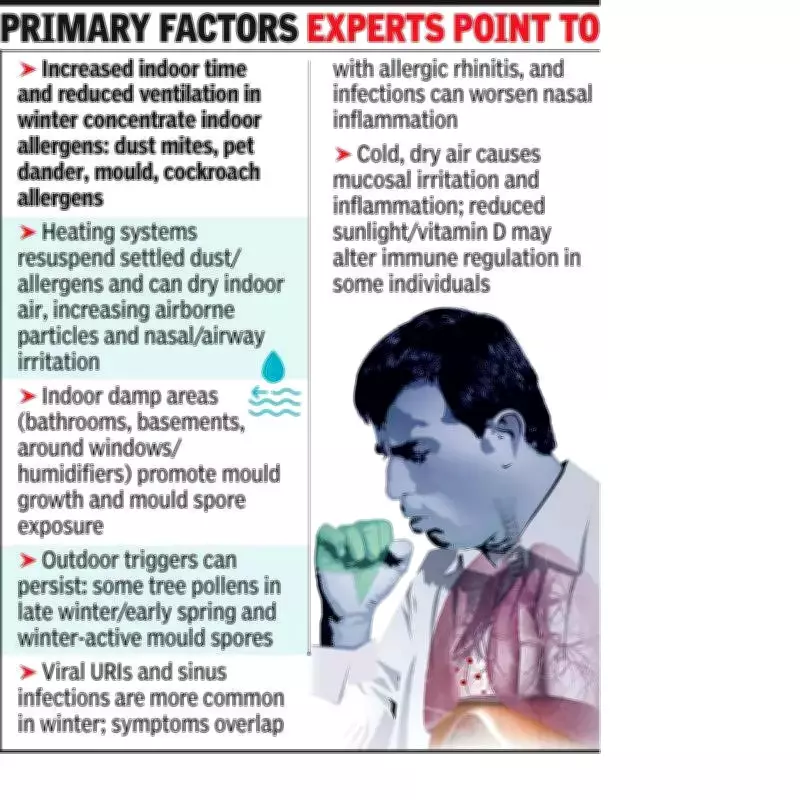
Medical professionals in Pune are raising alarms over a notable rise in allergic reactions among residents during the winter season. The combination of pollen and airborne pollutants is triggering severe allergic bouts that are disrupting daily routines for many individuals.
Symptoms and Medical Insights
Common symptoms reported include persistent cold, frequent coughing, sneezing, and throat irritation. In more severe or long-standing cases, patients also experience itchiness and irritation in the eyes, which necessitates careful diagnosis to rule out infections.
Dr. Ashish Dhotre, a pulmonologist at Noble Hospitals and Research Centre, explained the underlying causes. "Bronchitis often results from escalating pollution levels, including traffic emissions, general air pollution, excessive dust exposure, pollen, and cold environmental conditions. This year, we are observing a slightly higher patient count compared to the same period last year," he stated.

Diagnosis and Treatment Recommendations
Dr. Dhotre advises that if symptoms persist for over a week, individuals should consult a doctor and undergo basic investigations. These may include:
- Serum eosinophil count
- IgE levels testing
- Chest X-ray
These tests help in enabling targeted treatment plans. "Some patients may require anti-allergic treatment for four to eight weeks. For severe cases, allergic skin testing is now available to identify specific triggers," he added. Preventive measures highlighted include the consistent use of masks and maintaining proper hand hygiene.
Impact on Children
The issue is not confined to adults. Dr. Sachin Shah, director of neonatal and paediatric intensive care services, reported an increase in allergy-related cases among children as well. "Most patients we see are under seven years old, presenting symptoms such as a runny nose, persistent cough, and redness in the eyes. Interestingly, these children often test negative for viral infections," he noted.
Dr. Shah elaborated on the two primary allergy phenotypes: one being a purely allergic reaction to environmental factors like pollution or pollen, and the other triggered following a viral infection. Treatment for affected children typically involves anti-allergic medicines and nebulisers to manage symptoms effectively.
This seasonal health challenge underscores the importance of awareness and proactive healthcare measures in urban environments like Pune, where pollution levels can exacerbate allergic conditions.






