Chandigarh: Alongside its continuing battle against drug abuse, Punjab is grappling with a high prevalence of HIV. At nearly 1.2%, it has one of the highest HIV sero-positivity rates in the country, nearly three times the national average of 0.4%.
National HIV Testing and Detection
According to the health ministry's 2025-26 report, over 3.5 crore tests were conducted under the National AIDS Control Programme across the country between January 2025 and November 2025, leading to the detection of just below 1.5 lakh new HIV cases. Among states and Union Territories, only Assam (1.6%), Meghalaya (1.3%), and Mizoram (1.2%) reported higher HIV sero-positivity rates than Punjab. Neighbouring Haryana's rate was much lower at 0.7%.
Primary Drivers of HIV Transmission
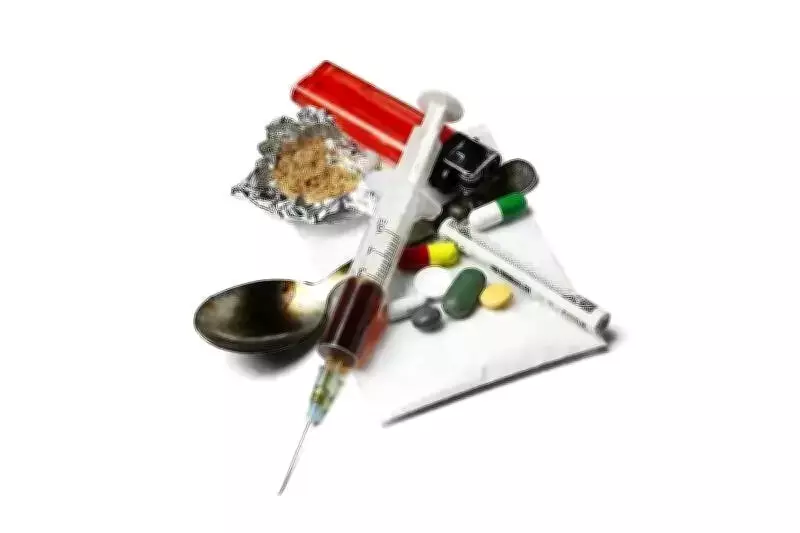
One of the primary drivers of HIV transmission in Punjab is the unsafe practice of sharing needles among people who inject drugs. Recognising the scale of the challenge, the Punjab government has expanded its testing, treatment, and prevention infrastructure under the Care, Support and Treatment scheme.

Antiretroviral Therapy Centres
Punjab now has 25 antiretroviral therapy (ART) centres, including an ART-Plus Centre. Five of these function in private medical colleges. Since April 2025, about 8,600 new people living with HIV have been registered at ART and FI-ART centres across the state. Of these, 8,400 have been initiated on treatment.
STI and RTI Clinics
The number of sexually transmitted infection (STI) and reproductive tract infection (RTI) clinics in Punjab has risen from 23 in 2009-10 to 31 in 2025-26 across district and sub-district hospitals and government medical colleges. These facilities provide free testing, treatment, medicines, and counselling services. Special emphasis is being placed on pregnant women, with the state reporting 100% coverage of antenatal care cases for testing and timely treatment aimed at eliminating congenital and neonatal syphilis.
HIV Prevention Programme
Punjab's HIV prevention programme is being implemented through NGOs and includes behaviour change communication, condom promotion, STI care, HIV testing referrals, antiretroviral treatment, and harm-reduction interventions. Currently, 71 targeted intervention projects and seven Link Worker Schemes are operational in the state, covering more than 22,000 female sex workers, around 7,000 men who have sex with men, nearly 35,000 injecting drug users, over 30,000 migrants, about 12,000 truckers, and around 1,600 transgender persons.
Opioid Substitution Treatment
The state has also expanded its opioid substitution treatment programme, under which sublingual buprenorphine is provided to injecting drug users as a harm-reduction measure. Around 37,000 injecting drug users have been initiated on treatment at OST centres across Punjab.
Government Response
Dr Vishal Garg, additional project director, Punjab State AIDS Control Society, said the state government has accorded high priority to HIV prevention, testing, and treatment, particularly among vulnerable and high-risk populations. He said the state was pursuing a coordinated and multi-sectoral response involving the health department, community organisations, and other stakeholders to curb the spread of HIV. Stressing the importance of harm-reduction measures, he said efforts were being intensified to strengthen services for people who inject drugs, while targeted interventions among high-risk groups were being expanded to ensure early detection, timely treatment, and greater awareness.