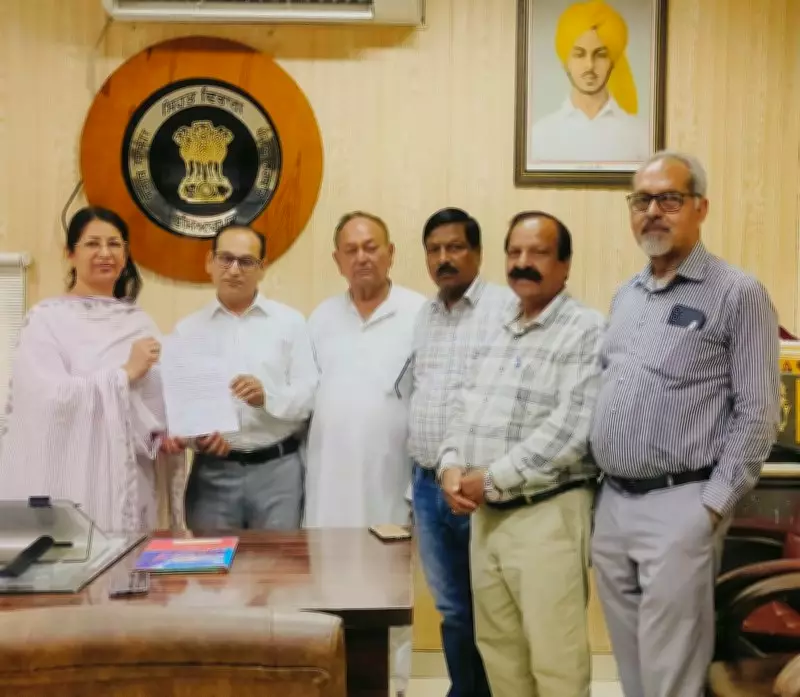
The Rotary Eye Bank in Jalandhar has taken a proactive step to address corneal blindness in the region by requesting a comprehensive list of patients from the health department. This initiative aims to streamline the process of identifying and treating individuals suffering from corneal blindness, ensuring that they receive timely medical intervention.
Understanding Corneal Blindness
Corneal blindness is a major cause of visual impairment worldwide, often resulting from infections, injuries, or genetic disorders. The cornea, the transparent front part of the eye, becomes opaque, leading to vision loss. In many cases, a corneal transplant can restore sight, but the lack of awareness and donor corneas remains a significant challenge.
Rotary Eye Bank's Initiative
The Rotary Eye Bank, known for its efforts in eye donation and transplantation, is now focusing on expanding its reach. By obtaining a list of patients from the health department, the bank can directly contact those in need, educate them about available treatments, and facilitate the transplant process. This approach is expected to reduce the backlog of patients waiting for corneal transplants.

Dr. Rakesh Sharma, a senior ophthalmologist associated with the eye bank, emphasized the importance of this collaboration. He stated, "Many patients are unaware that they can be treated. By working with the health department, we can ensure that no one suffers from preventable blindness."
Challenges in Corneal Transplantation
Despite advancements in medical science, corneal transplantation faces several hurdles. The shortage of donor corneas is a primary concern, with many patients waiting for months or even years. Additionally, cultural taboos and lack of awareness about eye donation further exacerbate the problem. The Rotary Eye Bank's initiative is a step towards overcoming these challenges by creating a direct link between donors, patients, and healthcare providers.
Role of the Health Department
The health department plays a crucial role in this endeavor by maintaining records of patients with corneal blindness. Sharing this data with the eye bank will enable targeted outreach and efficient allocation of resources. The department has expressed its willingness to cooperate, recognizing the potential impact on public health.
In a statement, a health department official said, "We are committed to supporting initiatives that improve eye care. Providing the patient list is a small but significant step towards eradicating corneal blindness in our region."
Future Prospects
With this collaborative effort, the Rotary Eye Bank hopes to increase the number of corneal transplants performed annually. The initiative also aims to raise awareness about eye donation through community programs and partnerships with local organizations. By addressing both the supply and demand sides of corneal transplantation, the bank envisions a future where corneal blindness is no longer a public health issue.
In conclusion, the Rotary Eye Bank's request for a patient list marks a pivotal moment in the fight against corneal blindness. It demonstrates the power of collaboration between non-profit organizations and government agencies in solving complex health challenges. As the program unfolds, it is expected to serve as a model for other regions grappling with similar issues.