Sleeping with Lights or TV On Disrupts Hormones and Metabolism, Doctors Warn
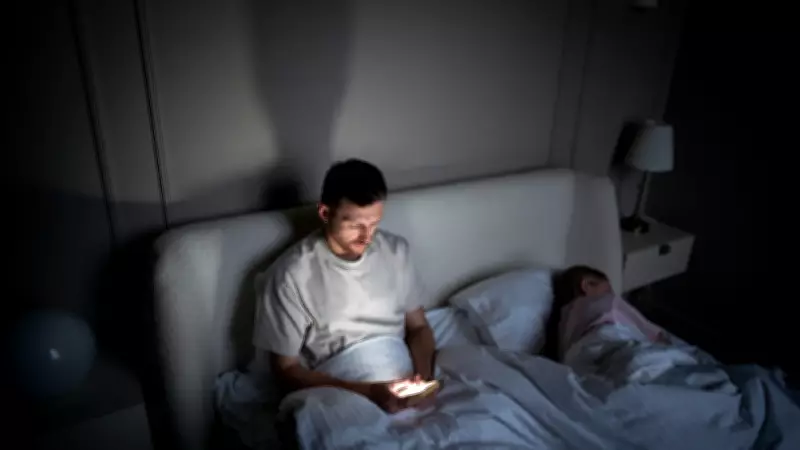
In modern bedrooms, darkness is often elusive. A television hums softly in the corner, a lamp remains lit, or a smartphone screen glows on the bedside table. While many find these habits comforting or even sleep-inducing, medical experts caution that they pose significant health risks by disrupting the body's natural sleep-wake cycle, hormone balance, and metabolic functions.
The Body's Internal Clock Depends on Darkness
Sleep is governed by the circadian rhythm, an internal biological clock in the brain that responds acutely to light and darkness. As evening falls and darkness envelops the room, the body releases melatonin, a hormone that signals the brain and body to prepare for rest. However, even minimal artificial light can interfere with this delicate process.
Dr. Nikhil Modi, Senior Consultant in Respiratory, Critical Care and Sleep Medicine at Indraprastha Apollo Hospitals, explains, "The circadian rhythm is highly sensitive to light and darkness. When people sleep with lights on or a television playing, the artificial light emitted disrupts melatonin secretion, which tells the body it's time to sleep." He adds that even dim light from a TV or standby lamp can trick the brain into perceiving daytime, leading to poor sleep quality.

Why Screens and TVs Quietly Disturb Sleep
Televisions and electronic devices do more than emit light; they produce fluctuating brightness, flickering images, and background noise. These stimuli keep the brain partially alert, even during sleep, preventing the body from reaching deep, restorative sleep stages.
Dr. Modi notes, "The noise from gadgets like televisions can prevent the body from attaining deep sleep." Deep sleep is crucial for tissue repair, memory consolidation, and energy restoration. When this stage is shortened or fragmented, individuals wake up feeling fatigued despite adequate sleep duration.
Light at Night Influences Hormones and Metabolism
Sleep not only rejuvenates energy but also regulates hormones controlling appetite, stress, and metabolism. Research from the National Institutes of Health indicates that exposure to artificial light during sleep elevates the risk of weight gain and metabolic disturbances. Studies show that individuals who sleep with lights or TVs on tend to exhibit higher rates of metabolic imbalance over time.
Dr. Modi emphasizes, "Irregular sleep patterns and nighttime light exposure affect hormonal balance, increasing the risk of weight gain." Another NIH study links disrupted sleep to higher obesity and metabolic disorder risks, as irregular sleep destabilizes the body's energy regulation system.
Why Many Rely on Light While Sleeping
For some, complete darkness induces discomfort. Children may fear the dark, adults use TV for background noise, and others fall asleep watching late-night shows. Modern homes also harbor hidden light sources like router LEDs, digital clocks, and phone chargers, creating a constant ambient glow. While the brain may adapt to these signals, the biological sleep system has not evolved to handle them, making artificial night a challenging modern adaptation.
Simple Changes to Improve Sleep Quality
Restoring darkness is one of the most effective ways to enhance sleep health. Dr. Modi advocates for sleep hygiene: "Create a dark, quiet, and cool environment. Avoid screens and lights 30 to 60 minutes before bedtime, and establish a regular sleep schedule." Minor adjustments can yield significant improvements.
Practical tips include:
- Turn off televisions before sleeping
- Dim lights one hour before bedtime
- Keep phones away from the pillow
- Use blackout curtains to block street light
- Maintain a consistent sleep-wake schedule
These habits help the brain recognize nighttime, allowing the body to rest as nature intended. By prioritizing a dark sleep environment, individuals can support their circadian rhythm, hormone balance, and metabolic health, fostering overall well-being.