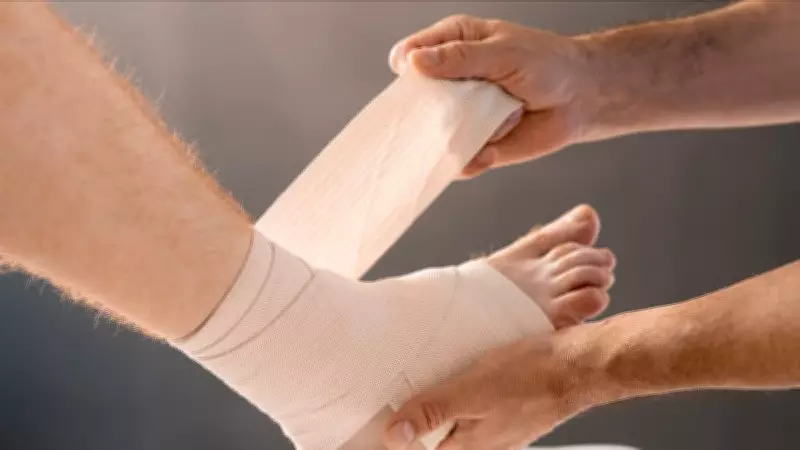
A new study challenges the long-standing practice of icing sprained ankles, suggesting that ice may initially relieve pain but ultimately delay full recovery. Growing evidence indicates that applying ice to soft tissue injuries could play a dual role—providing short-term relief while potentially causing longer-term harm.
Re-evaluating the RICE Protocol
The RICE protocol—Rest, Ice, Compression, and Elevation—has been a cornerstone of acute injury management for decades. However, researchers now argue that ice may interfere with the body's natural inflammatory response, which is essential for tissue repair. The study, published recently, highlights that inflammation is a critical first step in healing, and suppressing it with ice could lead to incomplete recovery or chronic issues.
According to the lead researcher, "Ice may numb the pain and reduce swelling, but it might also slow down the cellular processes needed for proper healing." The team reviewed multiple studies and found that patients who used ice reported similar or worse outcomes after several weeks compared to those who avoided ice.

The Dual Role of Ice
The research suggests that ice can constrict blood vessels and reduce blood flow to the injured area, which may limit the delivery of immune cells and growth factors necessary for repair. While this can help control excessive swelling immediately after injury, prolonged or repeated icing could hinder the healing cascade. The study notes that moderate swelling is actually beneficial, as it brings nutrients and signaling molecules to the site.
One of the key findings is that athletes who skipped ice after ankle sprains often returned to activity sooner and with fewer recurrent injuries. This contradicts the common belief that ice accelerates recovery. The authors recommend a shift toward active recovery methods, such as gentle movement and compression, rather than prolonged immobilization and ice.
Implications for Treatment
The study calls for a re-education of healthcare providers and the public on managing sprains. Instead of immediate and continuous icing, they suggest a more nuanced approach: short periods of cooling for pain relief only in the first 24 hours, followed by early mobilization and strengthening exercises. The goal is to work with the body's healing processes rather than against them.
"We need to re-learn how to nurse a sprained ankle," the researcher added. "The old advice of 'ice it for 20 minutes every hour' may be outdated." The team emphasizes that further research is needed, but the evidence so far is compelling enough to warrant a change in guidelines.
Practical Advice for Patients
For those with a mild to moderate ankle sprain, the study suggests: avoid ice unless pain is severe, use compression to control swelling, elevate the limb, and begin weight-bearing as tolerated. Physical therapy focusing on range of motion and strength is recommended within a few days. The researchers caution that severe injuries or fractures still require medical evaluation.
The findings align with a growing movement in sports medicine that prioritizes active recovery over passive treatments. As one expert noted, "Ice is not the enemy, but it should be used sparingly and strategically."