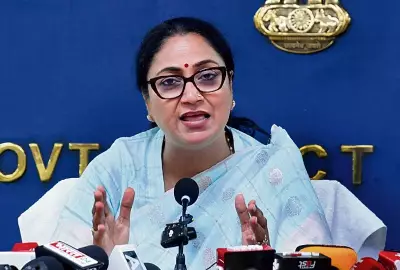
A 34-year-old software engineer from Pune, identified as Rohan Kulkarni, accumulated a debt of Rs 15 lakh following his father's emergency cardiac surgery, according to a report by financial advisory firm FinSafe. The case has prompted investment advisor Meera Iyer to issue a public warning about the dangers of resorting to high-interest medical loans without proper financial planning.
How the Debt Accumulated
Rohan's father, a 62-year-old retired bank manager, suffered a heart attack in March 2025. The family opted for a private hospital in Pune, where the surgery and follow-up care cost approximately Rs 18 lakh. With only Rs 3 lakh in savings, Rohan borrowed Rs 10 lakh from a non-banking financial company (NBFC) at an annual interest rate of 24%, and an additional Rs 5 lakh from personal loans from friends and relatives. The NBFC loan alone required monthly payments of Rs 28,000, which soon became unsustainable.
According to Rohan's statement to FinSafe, 'I never imagined that a medical emergency could push me into such a deep financial hole. The interest kept piling up, and I had to skip my own investments and even basic household expenses.'

Investment Advisor's Warning
Meera Iyer, a certified financial planner with over 15 years of experience, highlighted the risks in a press release on July 5, 2026. 'Medical emergencies are unpredictable, but taking on high-interest debt without a clear repayment plan can lead to a debt trap that takes years to escape,' she said. She emphasized that many families underestimate the total cost of treatment, including post-operative care and medication, which can add 20-30% to the initial bill.
Iyer advised that individuals should maintain an emergency fund equivalent to at least six months of expenses, and consider health insurance with adequate coverage. In Rohan's case, his father's insurance policy covered only Rs 5 lakh, leaving a significant gap. 'A comprehensive health insurance plan could have mitigated this crisis,' she added.
Impact on the Family
Rohan's financial strain affected his family's lifestyle. He had to postpone his daughter's school admission and cut back on groceries. His wife, a homemaker, started looking for part-time work to supplement income. The debt also caused mental stress, with Rohan reporting sleep loss and anxiety. 'I feel like I'm drowning, and there's no way out,' he told FinSafe.
According to a 2025 survey by the National Institute of Financial Planning, 40% of Indian families face financial distress after a major medical event, with average debt of Rs 12 lakh. The survey also found that 60% of such debts are from informal sources like friends and family, which can strain relationships.
Steps to Avoid Medical Debt
Iyer recommended several steps: first, review and upgrade health insurance policies annually to ensure they cover critical illnesses and have no sub-limits. Second, build an emergency fund by saving 10-20% of monthly income. Third, explore hospital payment plans or government schemes like Ayushman Bharat before taking loans. Finally, consult a financial advisor before making large medical financial decisions.
Rohan is now working with FinSafe to consolidate his debts and negotiate a lower interest rate with the NBFC. He has also taken up freelance coding projects to increase his income. 'I hope my story serves as a warning to others. Don't wait for a crisis to plan your finances,' he said.