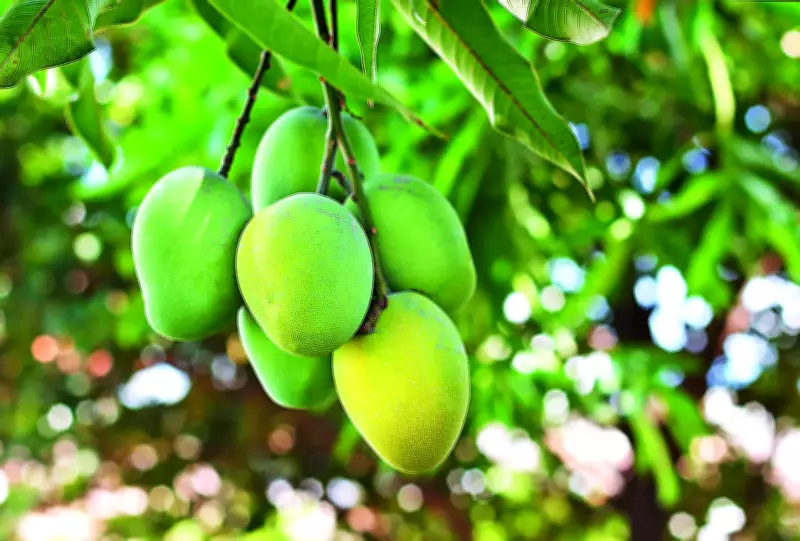
The early arrival of intense summer heat has left a visible mark on Telangana's mango crop this season, with growers and horticulture experts reporting changes in sweetness, aroma and overall fruit quality.
Impact of Rising Temperatures on Mango Development
Scientists say rising temperatures beginning as early as February have disrupted the natural fruit development cycle, affecting the taste profile of one of the season's most sought-after fruits. Agricultural experts say a combination of heat stress and premature harvesting is emerging as a major concern. In several orchards, mangoes are being plucked before reaching full maturity because of fears over heat damage and market pressures, further reducing quality.
Scientific Explanation for Reduced Sweetness
Scientists explain that mango sweetness depends heavily on weather conditions during flowering and fruit development stages. A sharp rise in daytime temperatures accelerates the plant's metabolic activity, shortening the fruit growth cycle and reducing the time needed for starch to naturally convert into sugars. The result: The fruit is often less sweet and lacks the expected flavour.

“Summer temperatures started peaking around 30 degree Celsius in February itself. This affected the sweetness formation process. However, it can be managed with proper irrigation practices,” said A Bhagwan, senior scientist at Sri Konda Laxman Telangana State Horticultural University. In the last few years, early hot summers have been setting in Telangana unlike earlier, he added.
Importance of Natural Maturation
Experts say mangoes attain their ideal sweetness only when allowed to mature naturally on trees until early May. Harvesting during March or early April interrupts the ripening process and reduces sugar content. “There should be no water scarcity, as it may lead to fungal infection and dehydration in the fruit, resulting in a fruit drop. Proper irrigation at the root zone is crucial for better yield and quality,” Bhagwan added, advising farmers against premature harvesting and urging them to allow fruits to mature fully.
Production and Market Dynamics
Telangana produces an estimated 10-15 lakh metric tonnes of mangoes from nearly 2.5 lakh acres, with Jagtial emerging as a major cultivation hub. Around 30% of the produce is consumed within the state, while the remaining crop is supplied to markets in Delhi, Mumbai and other northern cities where Telangana mango varieties continue to see strong demand.
Horticulture officials said market practices are also contributing to early harvesting. “Traders who purchase crops in advance often aim to quickly supply markets in other states. With rising temperatures, they fear post-harvest damage and therefore push for early cutting,” a senior official said.
Venkata Ramana Reddy, a farmer from Jagtial, said growers often have little control once advance deals are struck. “Traders do the advance booking of the crop depending on the acreage,” he said.