

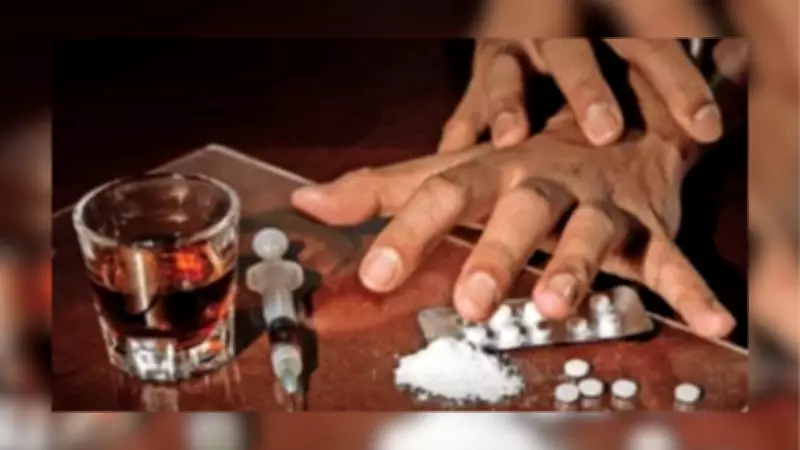
Telangana Health Department Announces Major Expansion of De-Addiction Infrastructure
In response to a significant surge in substance abuse cases across Telangana, the state health department has unveiled plans for a major expansion of de-addiction infrastructure. The initiative will establish 10-bed de-addiction treatment centers (DTCs) in 36 government medical colleges throughout the state.
Mounting Pressure on Existing Facilities
The Institute of Mental Health (IMH) at Erragadda, currently Telangana's only government-run de-addiction facility, has been struggling under increasing patient loads. Recent data reveals the facility recorded over 620 addiction cases in December alone, followed by approximately 700 cases in January, highlighting the urgent need for expanded services.
"Currently, patients do come to medical colleges in districts where they are treated, but there is no provision for admission," explained Dr. Anita Rayirala, superintendent of IMH Erragadda. "We sent a proposal to the government to set up 10-bed DTCs at these government medical colleges. It will help doctors treat those patients there itself instead of travelling to Hyderabad."

Substance Abuse Statistics Reveal Alarming Trends
Detailed case breakdowns from recent months paint a concerning picture of substance abuse patterns in Telangana:
- Severe alcohol addiction: 708 cases (highest number)
- Tobacco consumption: 682 cases
- Marijuana use: 72 cases
- Sedative abuse: 14 cases
Dr. Rayirala emphasized the particular urgency of expansion given the rising number of cases among adolescents and young adults, who represent a vulnerable demographic requiring specialized attention.
Hub-and-Spoke Model for Decentralized Treatment
The proposed expansion will operate under a hub-and-spoke model, with the new regional DTCs in district medical colleges anchoring decentralized treatment networks. This approach aims to bring de-addiction services closer to patients' homes, reducing travel burdens and improving accessibility for those outside Hyderabad.
"This will also work under a hub-and-spokes model anchoring the new regional DTCs in the districts," Dr. Rayirala noted, highlighting how the decentralized approach will create a more comprehensive treatment ecosystem across Telangana.
Current Limitations and Planned Improvements
IMH Erragadda currently operates with just 20 beds, a capacity mental health experts describe as "grossly inadequate" given the facility receives hundreds of substance abuse cases monthly from both Hyderabad and surrounding districts.
Beyond the district expansion, the health department plans significant enhancements to IMH itself:
- Increasing bed strength from 20 to 60
- Adding dedicated counseling services
- Providing essential diagnostic support (currently lacking)
"We need to provide the full range of services—from detoxification and de-addiction to rehabilitation and group counseling—with support from psychologists and social workers," Dr. Rayirala emphasized, outlining the comprehensive treatment approach needed to address substance abuse effectively.
Addressing Systemic Gaps in Mental Healthcare
Mental health experts have consistently highlighted the inadequacy of existing de-addiction infrastructure in Telangana. The steady rise in cases outside Hyderabad particularly underscores the critical need for decentralized services that can reach patients where they live.
The planned expansion represents a significant step toward creating a more robust mental healthcare system capable of addressing substance abuse as both a medical and social challenge. By establishing treatment centers across multiple districts, the initiative aims to reduce treatment barriers and provide more timely intervention for those struggling with addiction.






