

Is a Treadmill Test Sufficient to Assess Heart Health?
In the realm of cardiac care, the treadmill test, also known as a stress test, is a widely used diagnostic tool to evaluate heart function under physical exertion. However, a pressing question arises: is this test alone enough to determine overall heart health, and can individuals still suffer heart attacks even after passing it? Medical experts are increasingly highlighting the limitations of relying solely on treadmill tests, urging a more comprehensive approach to cardiac risk assessment.
Understanding the Treadmill Test
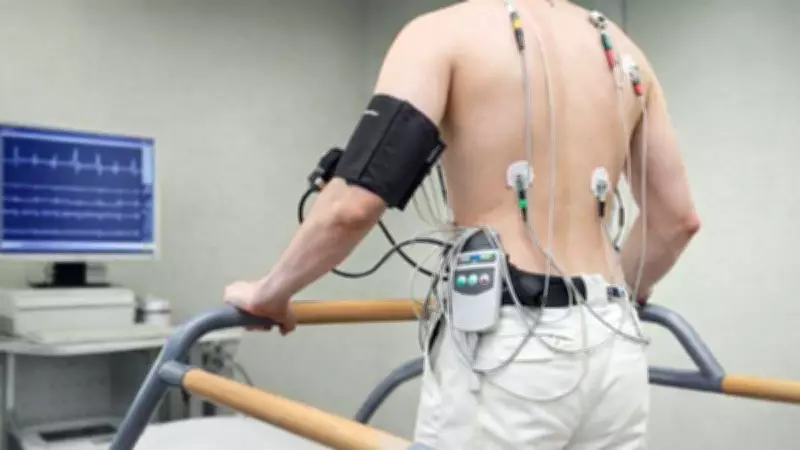
The treadmill test involves monitoring a person's heart rate, blood pressure, and electrocardiogram (ECG) readings while they walk or run on a treadmill. The primary goal is to detect abnormalities such as reduced blood flow to the heart, which might indicate coronary artery disease. While it is a valuable screening method, it is not infallible. The test may yield false negatives, meaning it can appear normal even when underlying heart issues exist, particularly in cases of non-obstructive coronary artery disease or microvascular dysfunction.
Can Heart Attacks Occur After Passing the Test?
Yes, heart attacks can and do occur in individuals who have passed a treadmill test. This phenomenon is often attributed to several factors. Firstly, the test might not detect plaque buildup in smaller arteries or unstable plaques that can rupture suddenly, leading to a heart attack. Secondly, other risk factors like high cholesterol, hypertension, diabetes, and lifestyle habits such as smoking or poor diet can contribute to heart events independently of test results. Therefore, a normal treadmill test does not guarantee immunity from future cardiac incidents.

Limitations of the Treadmill Test
Medical professionals emphasize that the treadmill test has inherent limitations. It primarily assesses large coronary arteries and may miss issues in smaller vessels or early-stage diseases. Additionally, factors like patient effort during the test and interpretation variability can affect accuracy. To address these gaps, experts recommend combining the treadmill test with other diagnostic tools for a more holistic evaluation.
Complementary Diagnostic Approaches
For a thorough assessment of heart health, consider integrating the following methods alongside a treadmill test:
- Coronary Calcium Scoring: A CT scan that measures calcium deposits in coronary arteries to assess plaque buildup.
- Echocardiogram: An ultrasound of the heart to evaluate structure and function, including valve issues.
- Cardiac MRI or CT Angiography: Advanced imaging techniques that provide detailed views of blood vessels and heart tissue.
- Blood Tests: Checking for markers like cholesterol, triglycerides, and inflammatory indicators that influence heart risk.
Preventive Measures and Lifestyle Changes
Beyond diagnostics, adopting a heart-healthy lifestyle is crucial. Regular exercise, a balanced diet rich in fruits and vegetables, stress management, and avoiding tobacco can significantly reduce heart attack risk. Regular check-ups with a healthcare provider are essential, especially for those with family history or pre-existing conditions. Do not rely solely on a single test; proactive health management is key to long-term cardiac wellness.
In summary, while the treadmill test is a useful tool in cardiac evaluation, it should not be viewed as a definitive measure of heart health. Heart attacks can occur post-test due to undetected issues or other risk factors. A multifaceted approach involving additional diagnostics and lifestyle modifications offers the best protection against heart disease. Always consult with medical professionals for personalized advice based on your health profile.






