

Trichy: Visually Impaired Home Residents Stage Protest Over Cooking Gas Crisis
More than 100 residents of a private welfare home for visually impaired individuals held a significant protest at the Trichy district collectorate on Friday. The demonstration highlighted an acute shortage of cooking gas cylinders that has severely disrupted daily life at the facility, causing widespread hardship.
Protest Details and Immediate Demands
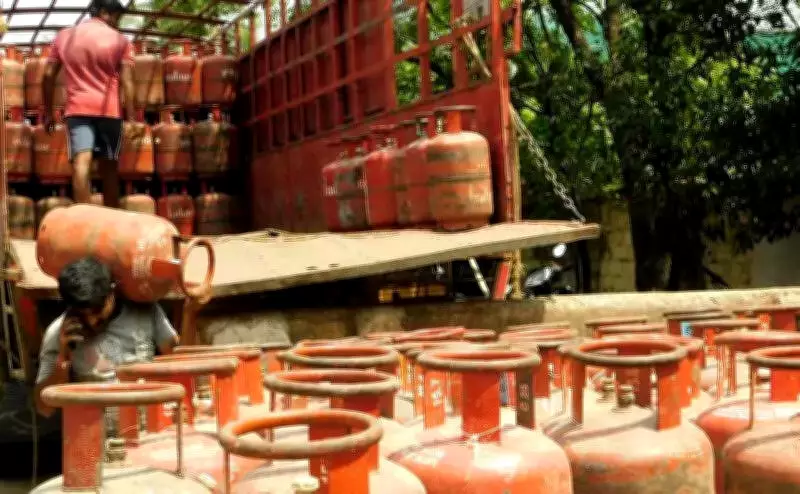
The protestors, including blind people, elderly inmates, and underprivileged children, gathered with empty LPG cylinders to visually underscore their plight. They submitted formal petitions seeking immediate intervention from district authorities to resolve the crisis.
Residents reported facing severe difficulties for the past nine days due to the non-supply of both cooking gas and kerosene. Despite lodging multiple complaints with officials and contacting the designated helpline, no corrective action had been taken, leaving them in a precarious situation.

The protestors emphasized that if the gas supply was not restored urgently, they would be forced to stop cooking meals entirely, threatening their basic sustenance and well-being.
Additional Safety Concerns Raised
In a separate but related plea, the residents also requested the reinstatement of a speed breaker that had been removed during recent road relaying works near their premises. They cited serious safety concerns for disabled inmates, arguing that the absence of the speed breaker increased risks for vulnerable individuals navigating the area.
Official Response and Assurance
Following the protest, district differently-abled welfare officer R Ravichandran, along with officials from the social welfare department, engaged in talks with the protestors. The officials assured that concrete steps would be taken to restore the LPG supply promptly. Satisfied with this assurance, the protestors subsequently dispersed from the collectorate.






