

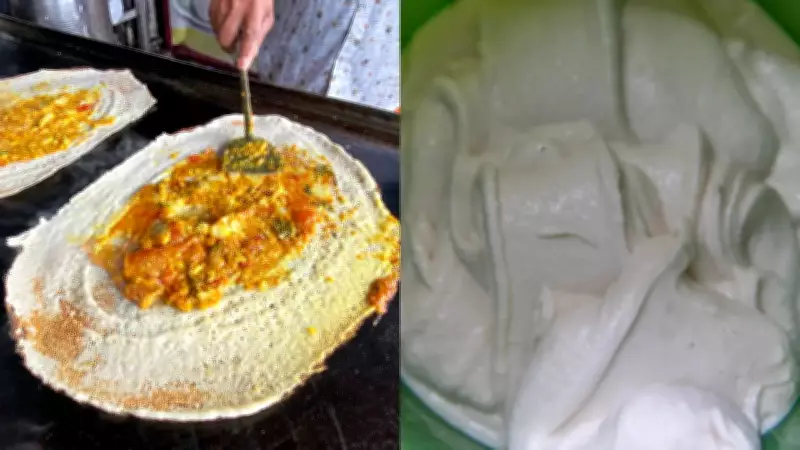
Ahmedabad Tragedy: Two Children Die After Consuming Dosa Made with Store-Bought Batter
In a heartbreaking incident that has shocked Ahmedabad, two young girls lost their lives after eating dosa prepared with fermented batter purchased from a local vendor. The tragedy has raised serious concerns about food safety practices, particularly regarding store-bought fermented products during warmer months.
The Fatal Incident Details
According to official reports, the entire family fell severely ill after consuming dosa made from ready-to-use khiru batter that the father, Vimal, purchased from a neighborhood market on April 1. The grandfather of the deceased children provided a statement detailing how Vimal's wife and their two daughters began experiencing intense vomiting shortly after eating the meal.
The family's condition deteriorated rapidly, necessitating immediate hospitalization. Tragically, on April 3, the couple's 3-month-old daughter passed away, followed by the death of their 4-year-old daughter. The parents remain under intensive medical supervision as they recover from the suspected food poisoning.

Investigation and Response
Following the devastating incident, the Ahmedabad Municipal Corporation swiftly collected samples of the batter from the vendor and dispatched them to the Food and Security Laboratory for comprehensive analysis. This investigation aims to determine the exact cause of contamination and prevent similar tragedies in the future.
Understanding Khiru: The Fermented Batter
Khiru represents a traditional fermented batter commonly used in Gujarati cuisine for preparing South Indian dishes like dosa, idli, uttapam, and handvo. This batter typically consists of a mixture of rice and skinless urad dal, which undergoes fermentation for 4-5 hours or overnight to achieve the characteristic light, airy texture essential for these dishes.
While fermented foods like dosa and idli are generally celebrated for their gut-health benefits due to the natural fermentation process, this incident highlights the potential dangers when proper food safety protocols are not followed.
Why Store-Bought Fermented Batter Poses Risks
Food safety experts emphasize that during summer months, extra precautions become crucial when consuming outside food or store-bought products. Store-bought fermented batters present several significant risks:
- Contamination Risk: Exposed batters are vulnerable to airborne bacteria and can spoil rapidly if not refrigerated properly, potentially leading to severe stomach infections or food poisoning.
- Over-Fermentation Issues: While fermentation benefits gut health, over-fermented food in warm weather becomes excessively sour and may cause acidity, bloating, or indigestion.
- Preservative Concerns: Packaged or open batters may contain preservatives or stabilizers that, with frequent consumption, could negatively impact gut health.
- Hygiene Problems: Unhygienic handling during mixing or packaging introduces bacterial growth that can cause gas formation and digestive discomfort, particularly for individuals with sensitive digestion.
Safe Preparation: Making Khiru at Home
To ensure safety and quality, preparing fermented batter at home provides greater control over ingredients and hygiene. Here's a reliable method for making traditional khiru:
Ingredients:
- 1 cup rice (regular or idli rice)
- ¼ cup urad dal (split black gram, skinless)
- 1-2 tbsp poha (flattened rice)
- ½ tsp fenugreek seeds
- Salt to taste
- Water as needed
Method:

- Wash and soak rice separately. Add poha to the rice during soaking.
- Wash and soak urad dal and fenugreek seeds together.
- Allow ingredients to soak for 4-6 hours or overnight.
- Grind urad dal until light and fluffy, then grind rice to a slightly coarse texture.
- Combine both mixtures in a large bowl, add salt, and mix thoroughly.
- Cover and keep in a warm place for 8-12 hours or overnight for proper fermentation.
- Ensure the container remains properly covered throughout fermentation.
- Use batter immediately or refrigerate in a clean, sealed jar for later use.
This tragic Ahmedabad incident serves as a sobering reminder of the critical importance of food safety, particularly with fermented products that require careful handling and storage. As investigations continue, authorities urge consumers to exercise caution with store-bought food items and prioritize hygiene in all food preparation practices.





