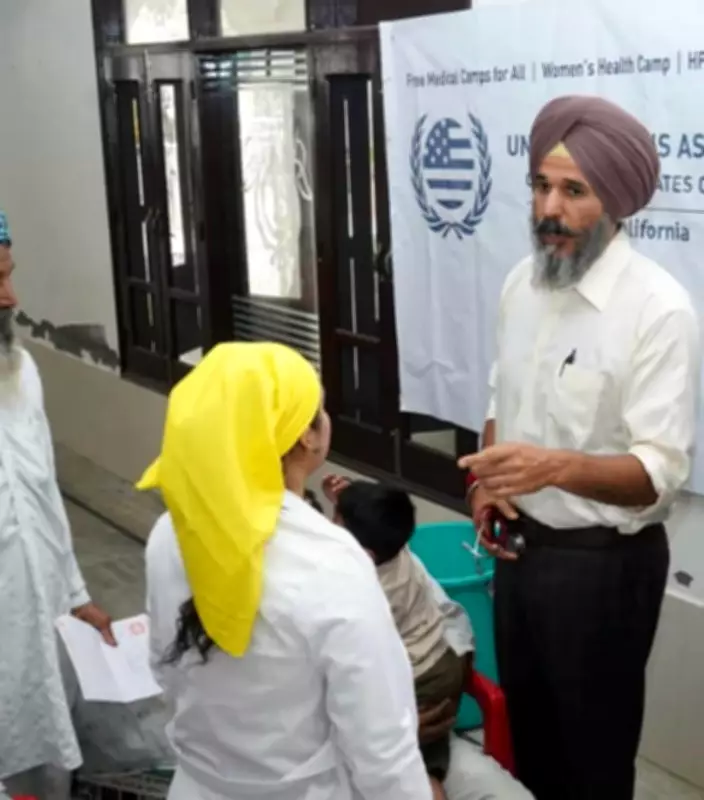
US-based cardiologist Dr Swaiman Singh, who gained prominence during the farmers' protest for providing medical support to agitating farmers, has returned to Punjab after four years with a new mission: addressing the state's escalating cardiovascular health crisis. Leading a 20-member team of doctors from the United States, Dr Singh conducted a month-long tour across Punjab, organizing health camps, awareness drives, and seminars on heart health. The team's conclusion was stark: lifestyle diseases are not the only problem.
Groundwater Contamination: A Hidden Culprit
Dr Swaiman Singh stated, "During the year-long Zira Morcha, when our teams worked extensively on the ground, we closely studied the health impact of water on residents of the area, including the role of the polluting industrial unit. We found that Punjab's groundwater is heavily contaminated with toxins and heavy metals such as uranium, selenium, and lead." He emphasized that these heavy metals are cardio-toxic and are among the major contributors to the rising incidence of heart disease in the state. While heavy metal contamination is commonly associated with cancer, cardiac ailments are often attributed solely to lifestyle factors such as unhealthy diets and lack of exercise. However, contaminated water plays a significant role.
Expert Background and Ongoing Efforts
Formerly an Assistant Professor at the Mayo Clinic, Dr Singh lost his position after his prolonged stay in India during the farmers' protest. He is currently a Clinical Assistant Professor at the University of California, Davis, specializing in interventional advanced heart failure, cardiac transplantation, and mechanical circulatory support. He is also the founder and president of the NGO 5 Rivers Heart Association, under whose banner he has been conducting health outreach programs across Punjab's villages. His team remained on the ground for an extended period during the floods in Sultanpur Lodhi, Kapurthala, organizing health camps and emerging among the last NGOs and medical teams to wind up relief operations.

Plans for an Advanced Heart Institute
Going forward, Dr Singh's focus is on establishing an advanced heart institute in Punjab. He is in discussions with the state government and has already submitted a proposal. Alongside this, he plans to intensify public awareness campaigns on heart health across the state. "It is often said that Punjab's heart disease burden is not as high as the national average. However, a large number of cases remain undiagnosed, resulting in significant under-reporting of cardiac ailments. In many instances, the possible link between groundwater contamination and heart disease is not even examined," he said.
Proposal for a Medical School on PPP Model
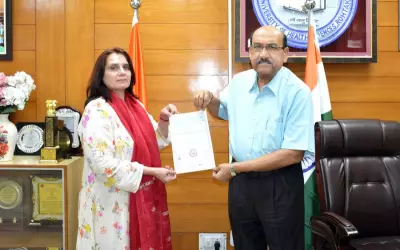
Dr Singh has also submitted a proposal to the state Health Minister for setting up a medical school on the public-private partnership (PPP) model. The aim is to provide diagnosis and treatment at costs comparable to government hospitals while offering state-of-the-art facilities on par with those available in the US. His current visit was supported by the University of California to study cardiovascular health in Punjab. He plans to visit the state every year, spending anywhere between one and six months here to continue this work.
Shortlisted Sites for Heart Institute
Dr Singh has proposed five alternative sites for the proposed heart institute, based on offers of land donations. The shortlisted locations include Chappiawali village, Sarabha village, Sursing village near Valtoha, a site in Rajasthan offered through Baba Balbir Singh of the Buddha Dal, and a 50-acre-plus land in Jalandhar offered by the Sarai family, opposite Jhangi Azadi.
June Tour Itinerary and Outreach
During his month-long visit to India in June, Dr Singh traveled to Jalandhar, Ludhiana, Zirakpur, Malout, Tarn Taran—including his in-laws' village, Pakhoke—and Bathinda. Besides conducting health camps and awareness programs, he interacted with doctors, addressed seminars at medical colleges and healthcare institutions, and met leaders of the Samyukt Kisan Morcha (SKM), farmers' organizations, and religious groups to discuss environmental concerns and public health issues affecting the state.