

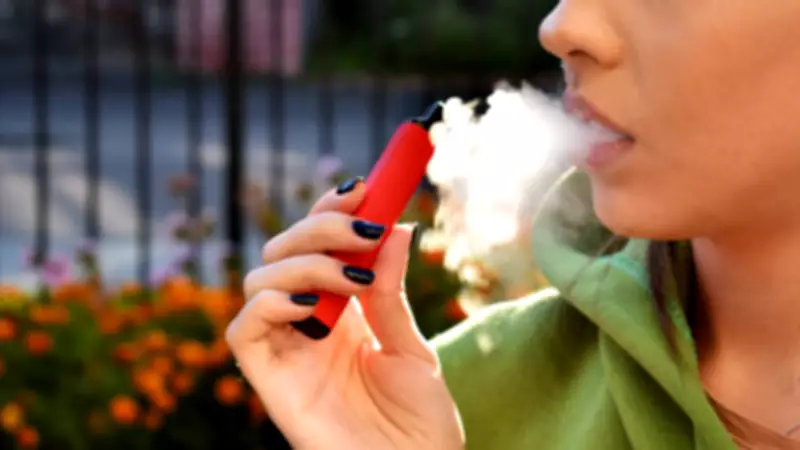
Teen Vaping Habit Results in Terminal Lung Cancer for Young Woman
Kayley Boda, a 22-year-old retail worker residing in Manchester, has been informed she has approximately eighteen months left to live. This grim prognosis stems from a habit she adopted as a teenager, one shared by thousands of youths annually: vaping. Her story, reported by Fox News citing news agency SWNS, serves as a stark warning about the potential dangers of e-cigarettes.
From Teenage Experiment to Life-Threatening Diagnosis
Kayley began using reusable vapes at the age of 15. However, her health took a drastic turn when she switched to disposable vapes. Shortly after this change, she started coughing up a brown, grainy mucus, a symptom alarming enough to prompt medical visits. Despite eight doctor appointments, she was initially diagnosed with a chest infection and sent home.
It was only when Kayley began coughing up bright red blood that an X-ray was ordered. This revealed a shadow on her lower right lung. Over the next four months, she underwent seven biopsies. In August 2025, she received a stage one lung cancer diagnosis. By the time surgeons removed the lower lobe of her right lung, her condition had progressed to stage three, indicating the cancer had spread to six surrounding lymph nodes.

Grueling Treatment and Devastating Recurrence
Kayley endured chemotherapy, which severely impacted her health. She lost the ability to breathe properly and had to relearn how to walk. In February 2026, she was declared cancer-free, offering a brief moment of hope. Tragically, just two months later, extreme chest pain signaled a return of the cancer, this time to the pleural lining of her lungs.
Her oncologist delivered the devastating news: she has about eighteen months to live. He noted that such a recurrence is exceptionally rare in someone her age, typically seen in patients around eighty years old. "The oncologist said this is so rare, and usually something they see in patients that are 80 years old," Kayley told the media outlet.
Linking Cancer to Vaping and a Plea for Awareness
Kayley attributes her cancer to vaping, citing no family history of lung cancer and the onset of symptoms after switching to disposable vapes. While doctors could not definitively pinpoint vaping as the sole cause, they confirmed that smoking and vaping certainly exacerbated her condition. She has since quit vaping entirely and urged her partner and mother to do the same.
Her message is clear: she pleads with others to avoid vaping, emphasizing that what is marketed as a safer alternative can have dire consequences. Vaping was promoted as a cleaner, less harmful option compared to cigarettes, but the lack of long-term studies means "less studied" does not equate to "safe."
Growing Scrutiny on Disposable Vapes
Disposable vapes, in particular, have faced increasing scrutiny. Some research suggests they may contain higher levels of certain toxic compounds than traditional cigarettes. Long-term data is still emerging due to the relatively recent introduction of these products, but cases like Kayley's are beginning to reveal alarming health risks that challenge marketing claims.
Kayley's experience underscores the urgent need for greater public awareness and regulatory attention on vaping, especially among young people. Her story is a poignant reminder of the potential life-altering impacts of habits picked up in adolescence.






