

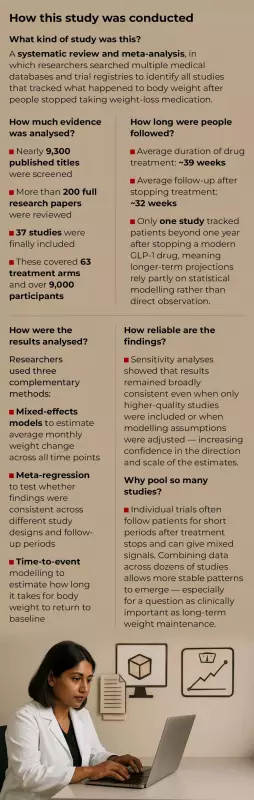
If you have been prescribed a weekly injection for weight loss, the experience can feel truly life-changing. Hunger fades into the background, making it easier to manage. Portion sizes shrink without constant struggle, and cravings become less intense. The scale starts to show a steady decline in weight. Often, blood sugar levels improve, and blood pressure may drop as well.
The Initial Success of Obesity Medications
New drugs like semaglutide and tirzepatide have revolutionized weight management. They work by mimicking hormones that regulate appetite and insulin. Patients report significant reductions in hunger and food intake. This leads to rapid weight loss in the first few months. Many see improvements in metabolic health markers too.
Why the Weight Loss Doesn't Last Easily
Despite the early success, maintaining weight loss is a major challenge. The body adapts to the new lower weight by slowing metabolism. This is a natural survival mechanism. When you stop the medication, hunger hormones often rebound strongly. Cravings can return with greater intensity. Without the drug's support, old eating habits may resurface. Lifestyle changes are crucial but hard to sustain long-term.

Doctors emphasize that these drugs are tools, not cures. They require ongoing use for continued effect. Stopping treatment frequently leads to weight regain. Patients need comprehensive plans including diet and exercise. Support from healthcare providers is essential for lasting results.

