Anti-Conversion Bill in Maharashtra: A Clash Between Law and Personal Freedom
A proposed anti-conversion bill in Maharashtra has become a flashpoint in the ongoing debate over individual liberties and the influence of Hindutva politics on personal decisions. Critics, including commentator Jyoti Punwani, argue that this legislation represents a significant blow against freedom by making private marital choices a matter of public scrutiny and state control.
The Politics of Marriage in the Age of Hindutva
The bill, which targets religious conversions, particularly in the context of marriage, has been framed by opponents as an attempt to regulate intimate relationships under the guise of preventing forced conversions. This move is seen as part of a broader trend where Hindutva ideology seeks to shape social norms and legal frameworks, potentially undermining the autonomy of individuals to choose their partners based on personal conviction rather than religious or political diktats.
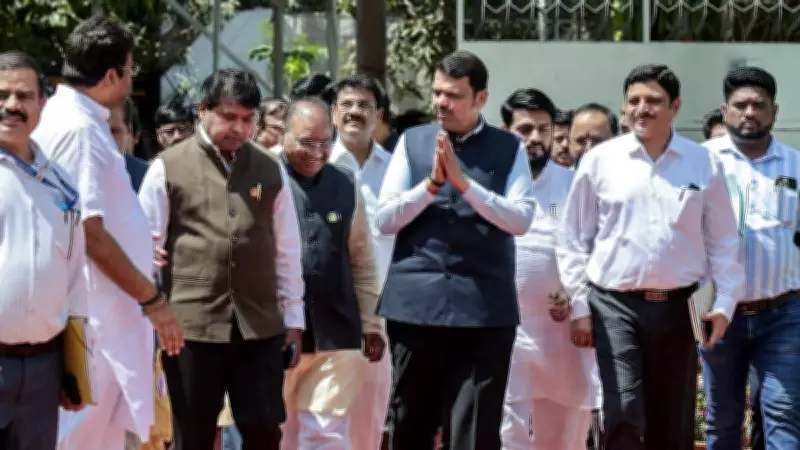
Devendra Fadnavis, a prominent BJP leader in Maharashtra, has been associated with pushing for such measures, reflecting the party's stance on issues of conversion and interfaith marriages. The legislation raises critical questions about the balance between state intervention and personal freedom, with many fearing it could set a precedent for further encroachments into private life.
Implications for Society and Governance
If enacted, this bill could have far-reaching consequences:
- Restriction of Personal Choice: Individuals may face legal hurdles when entering marriages that involve religious conversion, limiting their right to freely decide on matters of faith and partnership.
- Politicization of Private Life: By bringing marital decisions into the public domain, the bill risks turning personal relationships into political battlegrounds, fueled by ideological divides.
- Impact on Minority Communities: Critics warn that such laws often disproportionately affect minority groups, potentially leading to discrimination and social tension.
- Erosion of Secular Principles: The move challenges India's secular fabric by aligning state policies with specific religious ideologies, raising concerns about equality and justice for all citizens.
As the debate intensifies, the anti-conversion bill in Maharashtra serves as a litmus test for how far the state should go in regulating personal freedoms. With opinions sharply divided, the outcome could shape not only marital laws but also the broader trajectory of democratic values in the region.