

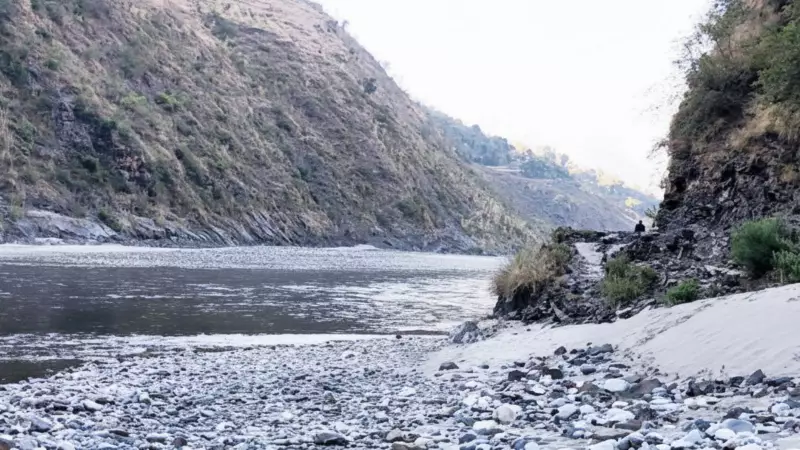
Yamuna River Ammonia Levels Persistently High, Impacting Delhi Water Treatment
The ammonia concentration in the Yamuna river continues to exceed permissible limits, with the Wazirabad Water Treatment Plant (WTP) operating at approximately 90% capacity as of Saturday. Despite overall improvements in Delhi's water supply situation, officials report that the plant's full functionality remains hampered by elevated pollution levels.
Origins of the Water Supply Disruption
The crisis began on January 20, 2026, when a maintenance-related diversion in Haryana's canal network triggered a sudden surge in ammonia levels within the Yamuna. This rendered the river water temporarily unsuitable for treatment in Delhi, affecting multiple water treatment facilities across the capital.
The Delhi Jal Board (DJB) confirmed that water production was impacted at several key plants, including:

- Haiderpur Phase I and II
- Bawana
- Dwarka
- Nangloi
This disruption resulted from the blind closure of the Parallel Delhi Branch canal and subsequent water supply diversion by Haryana's Irrigation and Water Resources department, halting raw water flow through the Delhi sub-branch canal.
Unprecedented Ammonia Spike and Immediate Consequences
A DJB official explained the severity of the situation: "When water was diverted from Khubru barrage in Haryana into the Yamuna on January 20, it carried pollution from Haryana cities, causing ammonia levels to reach an unprecedented 6.5 ppm (parts per million) by January 21."
This extreme contamination made Yamuna water unusable for Delhi's treatment plants, which require ammonia levels below 1 ppm for safe processing. The resulting water scarcity affected numerous Delhi neighborhoods, including:
- Rajouri Garden
- Pitampura
- Dwarka
- Parts of Rohini
Residents reported significant shortages on January 21 and 22 as reduced raw water availability and deteriorating river quality forced operational cutbacks at Yamuna-dependent treatment facilities.
Restoration Efforts and Ongoing Challenges
With ammonia levels remaining dangerously high after peaking at 6.5 ppm, authorities decided on January 22 to halt maintenance work and restore normal supply routes. By Saturday morning, a senior DJB official noted that Delhi's water supply had largely normalized, except at the Wazirabad facility.
"Wazirabad WTP is operating at about 90% capacity because ammonia levels at the Wazirabad reservoir, which stores Yamuna water, remain around 2.3 ppm," the official stated. "All other water treatment plants are now functioning normally."
Delhi government sources indicated that the Wazirabad plant is expected to resume full operations once Yamuna ammonia levels normalize, anticipated by late Saturday night.
Environmental Concerns and Recurring Pollution Issues
Environmental experts have highlighted deeper concerns regarding industrial discharge into the Yamuna. Bhim Singh Rawat of the South Asia Network on Dams, Rivers and People emphasized: "The more worrying issue is that pollution in the Yamuna river is rendering Wazirabad WTP ineffective. This has become a recurring incident over several years, revealing how untreated industrial effluents from Haryana are increasingly entering the river."
Rawat further questioned the effectiveness of regulatory bodies, including:
- Haryana State Pollution Control Board
- Central Pollution Control Board
- National Mission for Clean Ganga
Resident Experiences and Localized Impacts
While water supply has been restored in many areas, some residents continue to face challenges. Atul Goyal of United Residents Joint Action reported that parts of Karol Bagh still experience delayed water supply despite normalization in adjacent neighborhoods.
Conversely, Rejimon CK of the Dwarka Residents Association Forum confirmed that after two days of issues, water supply has been reinstated in Dwarka. This mixed recovery underscores the uneven impact of the water crisis across different Delhi localities.

The incident serves as a stark reminder of the fragile interdependence between river health and urban water security, with recurring pollution events threatening Delhi's water infrastructure and highlighting urgent needs for improved inter-state coordination and pollution control measures.
