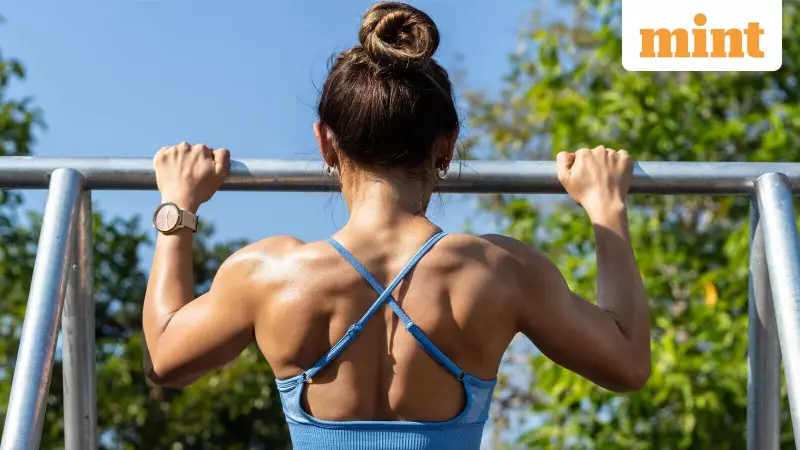
Have you ever watched someone glide effortlessly through a set of pull-ups and wondered what their secret is? You are not alone. The pull-up is a classic exercise that challenges your entire upper body strength, coordination, and mental grit. The secret to mastering it, however, lies not just in powerful arms, but in a symphony of strength from your shoulders, back, and core.
The Foundation for Flawless Pull-Ups
To conquer the pull-up bar, you need a solid foundation. This means developing a strong back to power the pull, stable shoulders to support your bodyweight, and a rock-solid core to maintain control. Fortunately, you can build this powerhouse combination with a strategic selection of upper-body exercises. These movements target the exact muscle groups that support proper pull-up form, helping you lift more smoothly, increase your endurance, and feel stronger with every single repetition.
10 Essential Exercises for Pull-Up Dominance
Here are ten highly effective upper-body exercises designed to target the right muscles and help you achieve your first—or your fiftieth—effortless pull-up.

1. Overhead Press
Begin by standing with your feet positioned shoulder-width apart. Hold a pair of dumbbells or a barbell at your shoulders. Press the weight directly overhead until your arms are fully extended, then lower it back down with control.
Benefits: According to fitness expert Yash Aggarwal, "It builds shoulder, triceps, and upper chest strength—essential for stabilizing your body during pull-ups and improving overhead endurance."
2. Bent-Over Row
Hold a barbell or dumbbells and hinge forward from your hips, keeping your back flat. Pull the weight towards your torso, squeezing your shoulder blades together. Slowly lower the weight back to the starting position.
Benefits: This exercise directly strengthens your lats, rhomboids, and traps—the primary muscles used during a pull-up. It also contributes to better posture.
3. Dumbbell Pullover
Lie flat on a bench holding a single dumbbell with both hands above your chest. Slowly lower the dumbbell in an arc behind your head, feeling a stretch in your lats. Return it to the starting position with control.
Benefits: It effectively engages your lats, chest, and triceps while also improving flexibility and shoulder stability, which are crucial for a strong pull-up.
4. Biceps Curl
Stand holding dumbbells in each hand with your arms by your sides. Curl the weights up towards your shoulders, keeping your elbows pinned to your torso. Lower them back down slowly.
Benefits: This movement strengthens your biceps, which are essential for the initial pulling motion of the pull-up. It also builds arm endurance.
5. Triceps Kickback
Hold dumbbells and hinge forward slightly, maintaining a straight back. Bend your elbows to a 90-degree angle. Extend your arms straight back, squeezing your triceps, and then return to the bent position.
Benefits: It targets your triceps, which play a key role in stabilizing your elbows and controlling the lowering phase of the pull-up.
6. Deadlift
Stand with your feet hip-width apart with a barbell on the floor in front of you. Hinge at your hips and bend your knees slightly to grip the bar. Drive through your heels to stand up tall, lifting the bar.
Benefits: This compound movement strengthens your entire posterior chain, including your back, core, and grip—all vital for maintaining control and balance during pull-ups.
7. Pull-Ups
Grab a pull-up bar with your palms facing away from you. Engage your core and pull yourself up until your chin clears the bar. Lower yourself down slowly to a full arm extension.
Benefits: There is no better practice than the movement itself. It works the lats, biceps, shoulders, and core, building functional strength and endurance.
8. High Plank
Start in a push-up position with your hands directly under your shoulders. Keep your body in a perfectly straight line from your head to your heels. Engage your core and hold this position for 30 to 60 seconds.

Benefits: This isometric hold builds critical shoulder and core stability, helping you maintain proper body alignment during pull-ups and reducing strain.
9. Seated Cable Row
Sit at a cable machine with your feet firmly placed on the foot platform. Grab the handle with both hands and pull it towards your abdomen, squeezing your back muscles. Slowly release your arms forward to feel a stretch.
Benefits: This exercise intensely engages your lats and biceps, directly improving your horizontal pulling strength, which translates to a smoother vertical pull-up.
10. Hammer Curl
Hold dumbbells in each hand with your palms facing each other. Curl the weights upward towards your shoulders. Lower them back down slowly, maintaining control throughout the movement.
Benefits: This variation strengthens both the biceps and the forearms, providing a significant boost to your grip strength, a non-negotiable component for successful pull-ups.
Please note: This article is intended for informational purposes only and is not a substitute for professional medical advice. Always consult with your doctor or a qualified healthcare provider with any questions you may have regarding a medical condition or a new fitness regimen.