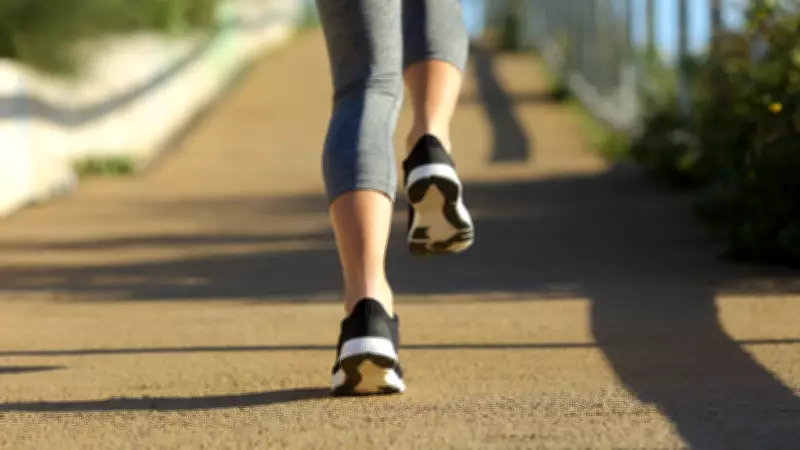
The 12-3-30 Walking Routine: A Low-Impact Path to Effective Fat Loss
Weight loss trends frequently emerge and fade, with some advocating strict diets and others promising rapid transformations. Among these, the 12-3-30 walking routine has steadily gained a dedicated following due to its simplicity and accessibility. But can this treadmill-based method genuinely aid in reducing body fat, or is it merely another viral sensation? The reality lies in a balanced perspective: while not a miraculous solution, the 12-3-30 technique can support sustainable fat loss when applied correctly.
What Exactly Is the 12-3-30 Walking Technique?
The name outlines the core structure: set the treadmill incline to 12 percent, walk at a speed of 3 miles per hour (approximately 4.8 km/h), and maintain this for 30 minutes. Although popularized through social media platforms, incline walking itself is not a novel concept; fitness professionals have long utilized it as a low-impact cardiovascular option. The distinctiveness of the 12-3-30 method lies in its fixed parameters, which eliminate confusion and complex planning. This predictability enhances adherence, as individuals are more likely to persist with a routine that feels straightforward and manageable.
Why Incline Walking Feels More Challenging Than It Appears
Walking on a flat surface primarily engages the lower legs, but introducing an incline significantly alters bodily demands. The glutes, hamstrings, and calves are activated more intensely, leading to a quicker elevation in heart rate and increased oxygen consumption. Research from the National Institutes of Health (NIH) confirms that raising treadmill incline substantially boosts energy expenditure compared to level walking at identical speeds, as the body exerts extra effort against gravity. The World Health Organization (WHO) recommends a minimum of 150 minutes of moderate-intensity aerobic activity weekly for overall health, and a 30-minute incline walk performed five times per week aligns perfectly with this guideline. Thus, while the routine may seem simple, its physiological impact is profound.

Does the 12-3-30 Method Actually Facilitate Fat Loss?
Fat reduction hinges on maintaining a consistent calorie deficit over time, with exercise serving as a supportive element rather than a standalone solution. An NIH study emphasizes that combining aerobic activities like walking with dietary modifications yields superior fat loss outcomes compared to exercise alone. Incline walking burns more calories than flat-surface walking; for an individual weighing around 70 kg, 30 minutes of vigorous uphill walking can expend 200 to 300 calories, depending on treadmill calibration and fitness level. However, effective fat loss requires a holistic approach: controlling daily caloric intake, ensuring regularity in exercise, managing stress, and prioritizing adequate sleep. The 12-3-30 routine can promote fat loss, but it is not a guaranteed fix without these complementary factors.
Who Benefits Most from This Routine?
This walking technique is particularly advantageous for individuals who prefer low-impact workouts, experience knee discomfort with running, are new to structured cardio, or seek a predictable and repeatable plan. By avoiding high-impact movements such as jumping and sprinting, it minimizes joint stress relative to high-intensity interval training (HIIT). Beginners may need to adjust the incline initially to ensure sustainability and prevent exhaustion, as the goal is long-term adherence rather than immediate intensity.
Where the 12-3-30 Routine Falls Short
No single exercise regimen can address all fitness aspects, and the 12-3-30 method is no exception. It primarily targets the lower body and cardiovascular system, offering limited benefits for upper-body strength. Without incorporating resistance training, muscle mass may not improve, which is crucial for long-term metabolic health. Additionally, the body adapts over time; repeating the same workout without progression can lead to a plateau in calorie burn. This does not signify failure but indicates the need for evolution, such as increasing incline or duration gradually to maintain effectiveness.

What Makes It Effective Under the Right Conditions?
The 12-3-30 walking routine excels when integrated into a comprehensive lifestyle transformation. It becomes most effective when meals emphasize whole foods and protein, sleep averages 7 to 8 hours nightly, strength training supports muscle retention, and workout intensity progresses over weeks. Fitness is rarely about extremes; as Aristotle noted, “We are what we repeatedly do.” Consistency in practice, rather than sporadic intensity, drives lasting results, making this routine a reliable component of a balanced health strategy.
Is the 12-3-30 Walking Routine Worth Trying?
For most healthy adults, the 12-3-30 walking technique is a safe and viable option. It aids in calorie expenditure, strengthens the lower body, and aligns with national physical activity recommendations. Its efficacy is maximized when paired with balanced nutrition and resistance exercises. While not revolutionary, its reliability makes it a worthwhile consideration for those seeking a steady, low-impact approach to fat loss. In the realm of fitness, sometimes dependable methods triumph over fleeting trends.