Telangana Fire Department Issues Notices to 230 Hyderabad Hospitals Over Safety Violations
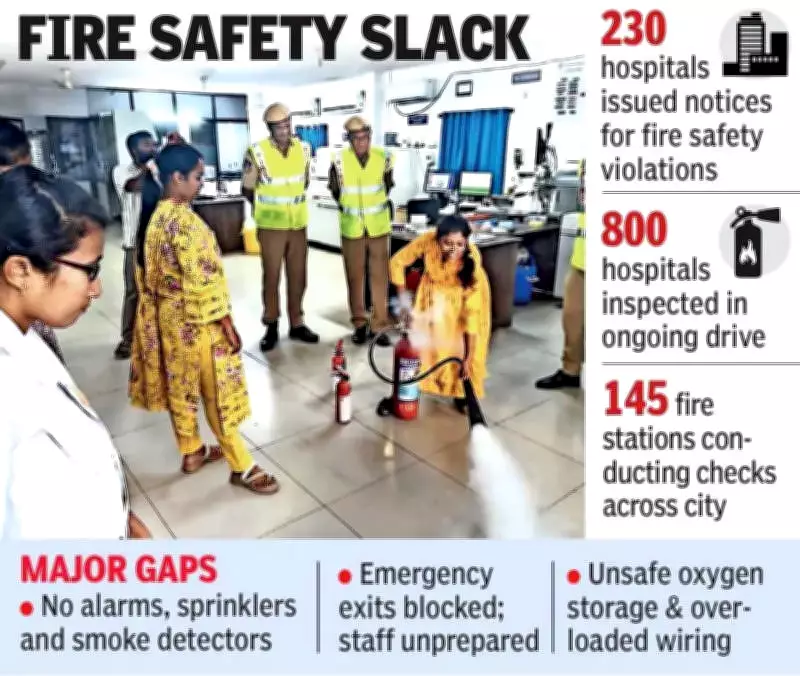
In a major crackdown on fire safety lapses, the Telangana fire department has issued formal notices to at least 230 hospitals across Hyderabad. These healthcare facilities have been found non-compliant with mandatory fire safety regulations, particularly those applicable to buildings exceeding 15 meters in height.
Extensive Inspection Drive Uncovers Widespread Deficiencies
The enforcement action follows an intensive inspection campaign that has so far examined approximately 800 hospitals throughout the city. This focused 10-12 day exercise specifically targets healthcare institutions and involves all 145 fire stations in Telangana operating simultaneously.
Each fire station has been directed to inspect at least one building daily, with officials aiming to comprehensively audit between 1,400 and 1,600 government and private hospitals by the conclusion of the drive.

Critical Safety Gaps Identified in Hospital Infrastructure
The audits have exposed serious shortcomings in fire preparedness across numerous healthcare facilities. Inspectors discovered multiple hospitals lacking essential fire safety infrastructure, including:
- Non-functional fire alarm systems
- Defective or missing smoke detectors
- Absence of automatic sprinkler systems
- Inoperative hose reels
- Poorly maintained fire extinguishers
Additionally, many hospitals had blocked or inaccessible emergency exits, while evacuation plans and staff readiness for fire emergencies were found to be substantially inadequate.
Comprehensive Assessment of Fire Safety Compliance
The inspections are evaluating multiple critical aspects of fire safety, including valid and renewed fire No Objection Certificates (NOCs), operational fire-fighting systems, and overall emergency readiness. Particular scrutiny is being applied to high-risk areas within hospitals such as:
- Intensive Care Units (ICUs)
- Neonatal Intensive Care Units
- Operation theatres
- Medical gas storage facilities
Official Statements Highlight Recurring Violations
"During our inspections, we consistently encounter missing or non-functional fire extinguishers, defective smoke detectors, absent sprinkler systems, and poorly maintained fire alarm control panels," stated a senior district fire officer involved in the operation.
"In several hospitals, emergency exits are either locked or encroached upon, while critical fire-fighting equipment like hydrants and hose reels are either not installed or completely non-operational," the officer elaborated.
Dangerous Practices Increasing Fire Risks
The fire department official also highlighted hazardous practices observed during inspections. "We have identified oxygen cylinders being stored in confined basement areas and electrical circuits operating beyond their safe capacity. Both scenarios significantly elevate the risk of fire incidents," the officer emphasized.
Consequences for Non-Compliance
Hospitals found with serious violations face denial of NOC renewals and potential prosecution under the Telangana Fire Service Act, 1999. Facilities with minor deficiencies have been granted a two-week deadline to rectify identified issues. Failure to comply within this timeframe will result in stricter enforcement actions.
Recent Incidents Prompt Intensified Enforcement
Officials confirmed that the inspection drive was intensified following recent fire incidents at healthcare facilities. On March 29, a fire erupted at a private hospital in Masab Tank after an air-conditioner reportedly exploded, causing panic among patients and staff, though fortunately no injuries occurred.
In a more tragic incident, a blaze at SCB Medical College Hospital caused by an electrical short circuit in an ICU claimed 12 lives. This devastating event has underscored the urgent necessity for strict adherence to fire safety protocols in medical institutions.
The Telangana fire department's comprehensive action represents a significant effort to enhance safety standards across Hyderabad's healthcare infrastructure, prioritizing patient and staff protection through rigorous enforcement of established fire safety regulations.