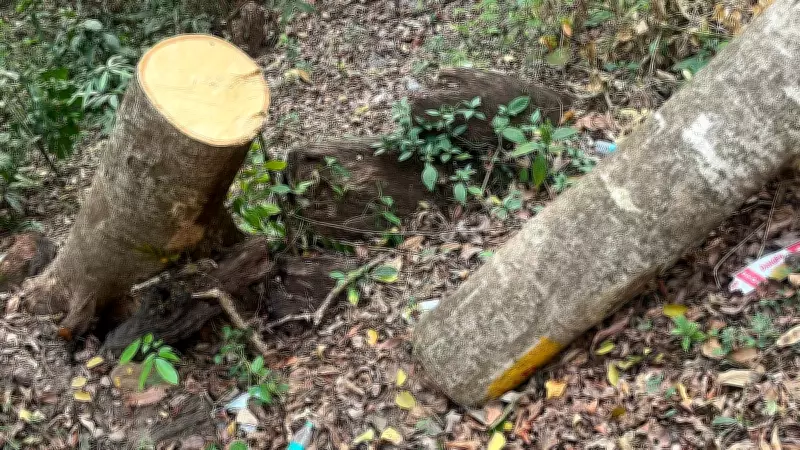
Environmentalists Raise Alarm Over Road Construction in Karnataka Tiger Corridor
In a significant development, environmental activists and green groups in Karnataka have strongly questioned the ongoing road construction work within the critical tiger corridor of Dakshina Kannada district. The project, which involves building or upgrading roads in this ecologically sensitive zone, is being carried out without obtaining the necessary environmental and forest clearances, according to the allegations.
Details of the Controversial Project
The road work is reportedly taking place in areas that form part of a vital tiger corridor, essential for the movement and genetic exchange of tiger populations between protected forest reserves. Dakshina Kannada, known for its rich biodiversity and dense forest cover, hosts this corridor that connects larger tiger habitats, making it crucial for conservation efforts.
Environmentalists argue that such infrastructure projects in wildlife corridors require strict adherence to clearance protocols under laws like the Forest (Conservation) Act, 1980, and the Environment (Protection) Act, 1986. They claim that the authorities have bypassed these mandatory procedures, potentially leading to habitat fragmentation, increased human-wildlife conflict, and disruption of tiger movement patterns.

Concerns Voiced by Green Activists
Lack of Transparency: Activists have highlighted the absence of public consultations and environmental impact assessments (EIA) before commencing the road work. They stress that projects in tiger corridors demand thorough scrutiny to mitigate adverse effects on endangered species.
Potential Ecological Damage: The construction activities could result in deforestation, soil erosion, and noise pollution, adversely affecting not only tigers but also other wildlife such as elephants, leopards, and various bird species that inhabit the region.
Legal and Regulatory Violations: Greens point out that proceeding without clearances may violate central and state environmental regulations, raising questions about governance and accountability in forest management.
Broader Implications for Wildlife Conservation
This incident underscores the ongoing tension between development initiatives and conservation goals in India. Tiger corridors are increasingly threatened by infrastructure projects, and cases like this highlight the need for balanced approaches that prioritize ecological sustainability.
Experts warn that fragmenting tiger habitats can lead to isolated populations, reducing genetic diversity and increasing extinction risks. They call for stricter enforcement of clearance mechanisms and greater involvement of local communities and environmental bodies in decision-making processes.
Response and Future Steps
While the authorities involved have not yet issued an official statement, environmental groups are planning to escalate the matter through legal channels and public awareness campaigns. They demand an immediate halt to the road work until all required clearances are obtained and a comprehensive assessment of the project's impact on the tiger corridor is conducted.
This case serves as a reminder of the critical role that civil society plays in safeguarding India's natural heritage, especially in regions like Dakshina Kannada that are biodiversity hotspots.