

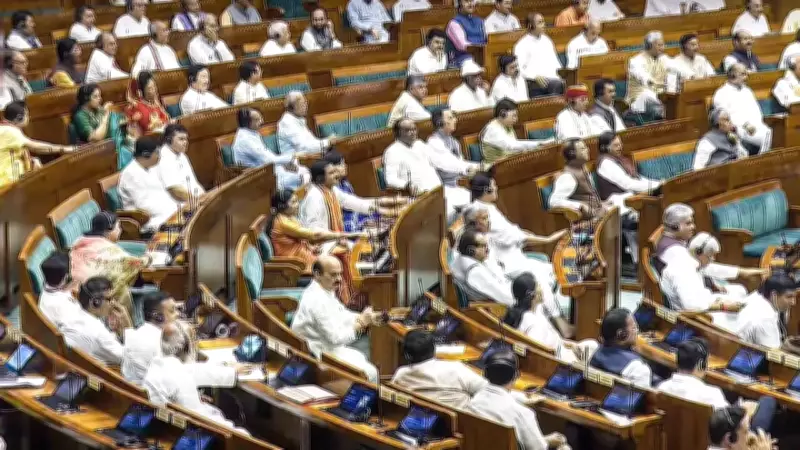
Congress Condemns Special Parliament Session as Model Code Breach
The Congress party has strongly denounced the convening of a special session of Parliament scheduled for April 16-18, labeling it a blatant violation of the model code of conduct. The opposition accuses the ruling Bharatiya Janata Party (BJP) of attempting to leverage the women's reservation bill to sway electoral outcomes in Tamil Nadu and West Bengal, where polls are set to occur later this month.
Allegations of Electoral Influence and Delimitation Concerns
In a sharp critique, AICC spokesman Jairam Ramesh articulated Congress's opposition to any modifications in the relative strength of states within the Lok Sabha. He lambasted what he described as a hastily proposed plan for a proportionate increase in parliamentary seats, warning that such a move would perpetually disadvantage southern states like Tamil Nadu and Kerala compared to their northern counterparts. Additionally, Ramesh highlighted potential negative impacts on north-eastern states, north-western regions such as Punjab, and smaller states across India.
Ramesh revealed informal indications suggesting the Modi government is contemplating a new delimitation law that could result in a 50% surge in seats for all states in both the Lok Sabha and state assemblies. To illustrate the disparities, he cited examples: Uttar Pradesh's seats might escalate from 80 to 120, while Kerala's could rise from 20 to 30. This would widen the existing gap of 60 seats to 90, exacerbating regional imbalances, according to the Congress leader.

Unified Opposition Stand and Government Strategy Rebuttal
Emphasizing a collective stance, Ramesh asserted that the opposition parties will present a united front, countering the government's alleged strategy to fragment political entities. He dismissed the administration's rationale connecting the women's quota bill with delimitation, pointing to the Registrar General of India's statement that census results are not expected until 2027. This timeline, he argued, undermines any immediate justification for such legislative changes.
The controversy underscores deepening political tensions as India approaches critical state elections, with Congress positioning itself as a defender of federal equity and electoral integrity against perceived BJP maneuvers.






