

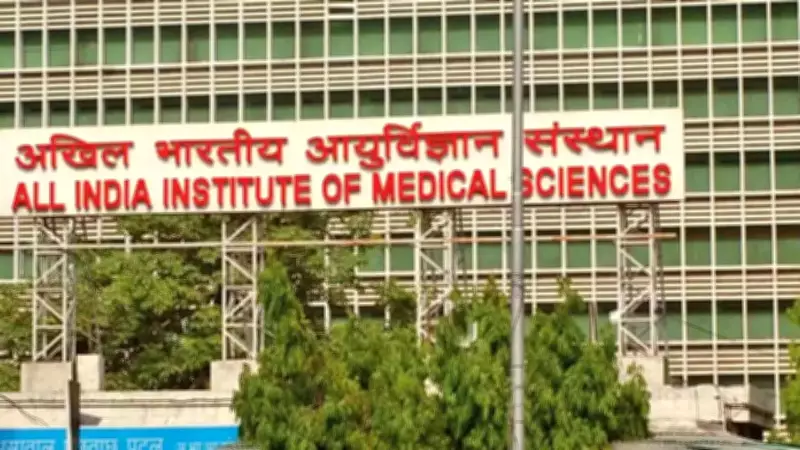
AIIMS Delhi Celebrates 1,000 Robotic Surgeries, Pioneering Free Advanced Care
In a significant medical milestone, the All India Institute of Medical Sciences (AIIMS) in Delhi has successfully completed 1,000 robotic surgeries since launching its program. This achievement, hailed by doctors as a cause for celebration, underscores the hospital's rapid advancement in cutting-edge surgical technology within the public sector.
Launch and Growth of Robotic Surgery at AIIMS
The journey began with the installation of the da Vinci robotic surgical system, a state-of-the-art platform that enables minimally invasive procedures. The first robotic surgery at AIIMS was performed in November 2024 by Dr. Hemanga K. Bhattacharjee, following years of meticulous preparation by the surgical team. Since then, the program has expanded to cover a wide array of complex operations, including cancer surgeries, pelvic procedures, and organ transplants.
Remarkably, surgeons at AIIMS are conducting these robot-assisted surgeries without any additional cost to patients. This policy positions AIIMS as one of the fastest-growing robotic surgery centers in India's public healthcare system, making advanced medical care more accessible to a broader population.

Technological Advantages and Patient Benefits
Robotic surgery represents a technological leap in surgical practices, offering enhanced precision and improved patient outcomes. Dr. Bhattacharjee explained, "Studies consistently show that robotic surgery results in less pain and better precision. The robot allows surgeons to achieve outcomes that are often superior to conventional techniques."
This approach falls under the broader category of minimally invasive procedures, which have evolved over the past three decades. Unlike traditional open surgery that requires large incisions, robotic surgery involves small incisions and uses robotic arms controlled by surgeons from a console. This system provides a highly magnified, three-dimensional view of the patient's anatomy, allowing for greater flexibility and steadiness, eliminating tremors, and accessing difficult areas deep within the body.
For specific procedures, such as pelvic surgeries, the benefits are particularly significant. The enhanced precision helps preserve delicate nerves and reduce bleeding during operations, leading to faster recovery times and better long-term results for patients.
Overcoming Cost Barriers in India
Despite its advantages, the adoption of robotic surgery in India has been relatively slow due to high costs. Robotic surgical systems can cost several crores of rupees, with additional expenses for maintenance and specialized instruments. Initially, this technology was primarily available in large private hospital chains, where patients often paid lakhs of rupees for procedures.
However, the landscape is changing as government hospitals like AIIMS enter the field. Dr. Bhattacharjee noted, "There is no extra cost involved for patients here. We select cases carefully, focusing on procedures where robotic assistance offers the most benefit, especially since we currently have only one robot in the department."
Demand for robotic surgery is growing rapidly, with patients increasingly aware of the technology and specifically requesting it. "Earlier, patients used to ask for laparoscopic surgery. Now, many are inquiring about robotic surgery possibilities," added Dr. Bhattacharjee.
Training and Future Prospects
The expansion of robotic surgery also highlights the need for training the next generation of surgeons. Operating a robotic console requires new technical skills beyond traditional surgery. At AIIMS, resident doctors are undergoing extensive training on the system as part of their surgical education, supported by specialized training facilities to ensure proficiency before performing live operations.
Looking ahead, experts believe robotic surgery could become more common in India if more public hospitals adopt the technology. Dr. Bhattacharjee emphasized, "Price remains a major constraint. Not many public hospitals can afford the technology. If the government finds ways to make it more viable, many more patients could benefit."

Beyond robotics, the future may involve artificial intelligence assisting surgeons during operations. Dr. Bhattacharjee mentioned, "Artificial intelligence is progressing rapidly. Research on animals has shown automated robotic procedures are possible, but it will take time before such systems become routine in surgery."
This milestone at AIIMS Delhi not only marks a technological achievement but also sets a precedent for affordable, advanced healthcare in India's public sector, promising improved outcomes for patients nationwide.





