

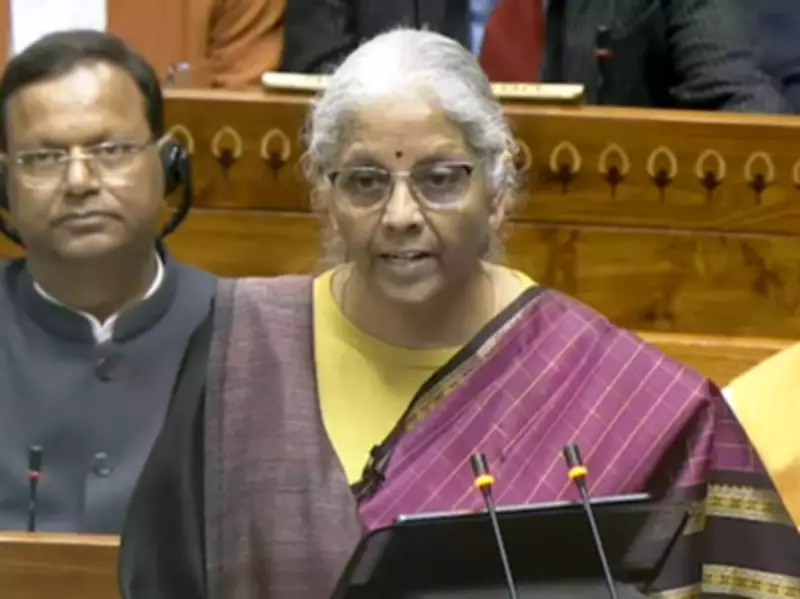
Budget 2026 Unveils Comprehensive Healthcare Strategy for Mental Health and Senior Citizens
As India continues to make significant progress in combating non-communicable diseases, the Union Budget 2026-27 has introduced a holistic and multi-pronged approach to address two critical and growing challenges: the escalating mental health crisis and the expanding healthcare requirements of the nation's ageing population. This strategic shift comes at a crucial time when existing systems are under immense strain.
National Mental Health Infrastructure Gets Major Boost
The Budget lays out a clear blueprint for strengthening mental healthcare infrastructure across the country. A landmark proposal is the establishment of NIMHANS-2, a new national mental health institute that will address the glaring absence of such a premier facility in northern India. Furthermore, existing National Mental Health Institutes in Ranchi and Tezpur are slated for significant upgrades to transform them into regional apex institutions, creating a more balanced national network.
This infrastructure push is a direct response to alarming data. National surveys indicate that 10.6% of Indian adults suffer from mental disorders, with urban populations experiencing more severe impacts. The treatment gap remains colossal, with studies estimating that between 70% to 92% of patients receive no proper care. This is attributed to a toxic combination of pervasive social stigma, low public awareness, and a critical shortage of trained professionals.

Addressing the Acute Manpower and Treatment Gap
The human resource deficit in mental healthcare is stark. According to the Indian Journal of Psychiatry, India has a mere 0.75 psychiatrists per 100,000 people, a figure that falls drastically short of the World Health Organization's recommended norm of 3. To bridge this gap, the Budget proposes a Rs 980-crore phased outlay spread over three years. This funding is specifically earmarked to expand education and training programs for allied and healthcare professionals, aiming to build a sustainable pipeline of qualified manpower.
Experts have welcomed the focus but emphasize the need for consistent execution. "Expanding NIMHANS-like centres can significantly improve access and reduce regional disparities in care," said Deepak Raheja, Director of Hope Care India. "However, sustained funding commitments and a steady supply of trained manpower will be absolutely crucial for translating these proposals into real, on-ground impact for patients."
Enhancing Emergency Care and Embracing AYUSH
Recognizing the financial shock of medical emergencies, the Budget also targets physical healthcare infrastructure. It plans to expand the capacity of emergency and trauma care centres in district hospitals by 50%. This initiative is designed to reduce sudden, catastrophic out-of-pocket expenses for vulnerable and low-income families during health crises.
In a move towards integrative medicine, the Budget allocates resources for the traditional healthcare sector. Key proposals include:
- Establishing three new All India Institutes of Ayurveda.
- Upgrading existing AYUSH pharmacies and drug-testing laboratories to ensure quality and standardization.
- Providing support for the development of five new regional medical hubs, to be created in partnership with the private sector.
This comprehensive budgetary framework marks a concerted effort to move beyond siloed solutions. By simultaneously building new institutions, expanding emergency services, investing in human resources, and promoting traditional medicine, the government aims to create a more resilient and accessible healthcare ecosystem capable of supporting both the mental well-being and physical health of all Indians, especially its growing elderly demographic.






