Chandigarh's Long-Awaited Critical Care Block Gets Green Light from Governor
In a significant development for healthcare infrastructure in the region, Punjab Governor and Chandigarh Administrator Gulab Chand Kataria has granted formal approval for the Union Territory's first 50-bed Critical Care Block (CCB). This crucial decision effectively clears the final administrative hurdle, allowing the long-stalled project to finally commence construction and implementation.
Financial Framework and Central Support
The ambitious healthcare project carries an estimated price tag of approximately Rs 23 crore. Funding will be provided entirely by the Central Government under the comprehensive Pradhan Mantri Ayushman Bharat Health Infrastructure Mission (PM-ABHIM). This central funding envelope covers all aspects of the project, including both the physical construction of the facility and the procurement of advanced medical equipment necessary for critical care operations.
Resolution of Protracted Land Dispute
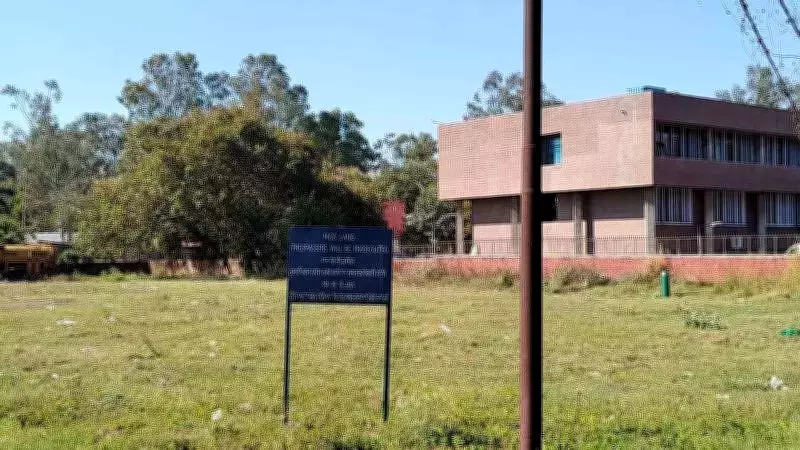
The project's journey to approval was far from straightforward, having been entangled in a years-long impasse primarily concerning land allocation. The initial proposal from the UT administration sought 2.88 acres of land owned by the Municipal Corporation, situated adjacent to the existing 100-bed Manimajra Sub-District Hospital. However, the Municipal Corporation declined this request, citing potential revenue losses and other administrative concerns.

A subsequent alternative plan to relocate the CCB to a plot along the IT Park road was also abandoned after technical evaluations deemed that land unsuitable for constructing a healthcare facility of this nature. Fresh assessments ultimately reinforced that the Critical Care Block's functional and financial viability was intrinsically linked to its proximity to the Manimajra hospital.
Negotiations and the Path to Consensus
This realization triggered a series of high-level meetings, chaired by the Chief Secretary, aimed at breaking the deadlock. Through these negotiations, a mutually acceptable solution was forged. The Municipal Corporation agreed to relinquish the contested parcel of land adjoining the hospital. In a reciprocal arrangement, the UT administration committed to providing the civic body with a plot of equivalent value at an alternative location, thereby addressing the MC's earlier concerns.
Officials involved in the planning emphasize that situating the CCB directly next to the sub-district hospital presents substantial advantages. This co-location strategy is projected to significantly reduce overall project costs while dramatically enhancing operational efficiency and synergy between the facilities.
"The identified site is ideal from multiple perspectives," explained sources familiar with the planning. "It directly adjoins the existing hospital infrastructure and has direct access to Madhya Marg, which provides a seamless connection to the national highway. This strategic accessibility was a primary factor in the UT Administration's persistent advocacy for this specific land parcel."
Addressing a Critical Healthcare Gap
The approval of this Critical Care Block addresses a pressing need in Chandigarh's healthcare landscape. Currently, the Manimajra area relies solely on the 100-bed sub-district hospital for secondary medical care. The nearest facilities offering secondary and tertiary care are located at a considerable distance, which has historically led to dangerous delays in emergency response times and critical medical interventions.
This distance is particularly perilous for accident victims and patients requiring immediate care during the medically crucial "golden hour." The new 50-bed CCB is specifically designed to bridge this critical gap, substantially boosting the region's emergency response capability and intensive care capacity. It represents a vital upgrade to the local healthcare ecosystem, promising faster, more integrated care for residents.
With the governor's approval now secured and the land dispute resolved, the project is poised to move swiftly into its execution phase, marking a new chapter in Chandigarh's public health infrastructure development.