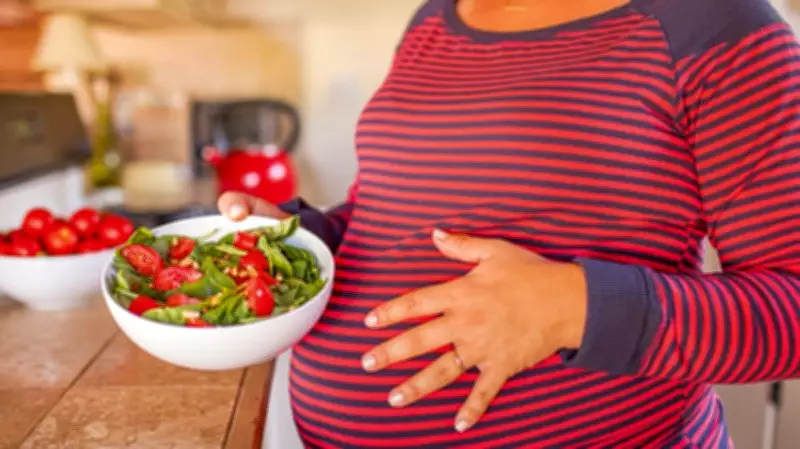
Pregnancy demands careful attention to nutrition, but when a pregnancy is classified as high-risk—due to conditions like gestational diabetes, elevated blood pressure, excessive swelling, or other concerns—dietary choices become even more critical. Alongside regular medical care and consultation with a gynecologist, a balanced diet can help manage risks, support healthy fetal development, and promote overall well-being.
Why Nutrition Matters During a High-Risk Pregnancy
Nutritional needs often increase during pregnancy, especially when additional health concerns are present. A carefully planned diet can support fetal growth, maintain healthy weight gain, regulate blood sugar levels, and reduce the risk of nutritional deficiencies. According to experts at BirthRight by Rainbow Hospitals, individualized dietary guidance is a key component of high-risk pregnancy management.
1. Prioritize Nutrient-Dense Foods
A high-risk pregnancy diet should focus on foods that provide essential nutrients. Including a variety of nutrient-rich foods can support both maternal health and fetal development. Beneficial options include:

- Fresh fruits and vegetables
- Whole grains
- Lean sources of protein
- Eggs
- Legumes and pulses
- Nuts and seeds
- Dairy products or fortified alternatives
A balanced intake of these foods provides important vitamins, minerals, and antioxidants needed during pregnancy, ensuring the body receives a broad range of nutrients for healthy fetal growth and maternal well-being.
2. Include Adequate Protein in Every Meal
Protein is vital during pregnancy as it supports the growth and development of the baby's tissues, organs, and muscles. It also helps maintain maternal health and meet the body's increased demands. Common protein sources include dairy products, lentils, beans, tofu, eggs, lean meat, fish, and nuts. Including a protein source with each meal and snack can help maintain energy levels and support healthy weight management.
3. Stay Well Hydrated
Hydration plays a crucial role during pregnancy by supporting circulation, nutrient transport, digestion, and overall maternal health. Pregnant women should drink fluids regularly throughout the day, especially during warmer weather or periods of increased physical activity. Sugary drinks should be limited, while water, milk, and other nutritious beverages can help meet hydration needs. Proper hydration may also reduce common concerns such as constipation and fatigue.
4. Manage Blood Sugar Levels Through Balanced Meals
For women with gestational diabetes or at increased risk, blood sugar management is an important aspect of pregnancy care. Balanced meals can help maintain stable blood glucose levels and reduce significant fluctuations. Strategies include choosing whole grains instead of refined carbohydrates, eating regular meals, pairing carbohydrates with protein, and increasing fiber intake through fruits, vegetables, and legumes. These habits support more stable blood sugar levels and contribute to better maternal and fetal health outcomes.
5. Focus on Iron and Calcium Intake
Iron and calcium deserve special attention during pregnancy. Iron supports red blood cell production and helps prevent anemia, which can lead to fatigue and other complications. Sources of iron include lean meats, spinach, lentils, beans, and fortified cereals. Calcium supports the development of the baby's bones and teeth while maintaining the mother's bone health. Dairy products, fortified plant-based alternatives, and green leafy vegetables are good calcium sources. Healthcare providers may recommend supplements to meet nutritional requirements in some cases.

6. Follow a Personalized Nutrition Plan
Nutritional requirements vary significantly depending on the specific condition affecting the pregnancy. Individualized dietary guidance is often recommended as part of high-risk pregnancy management. Trusted pregnancy care hospitals like BirthRight by Rainbow Hospitals have specialized dietitians who work alongside obstetric specialists to provide tailored nutritional support. This dietary guidance is integrated with regular fetal monitoring, enabling a coordinated approach to maternal and fetal care. The multidisciplinary team also works closely with advanced obstetric services and Level III NICU facilities to ensure comprehensive support throughout pregnancy, delivery, and the immediate postnatal period.
Regular Monitoring Supports Better Outcomes
Dietary management is most effective when combined with regular medical supervision. Routine assessments help healthcare providers monitor maternal health, fetal growth, and any developing complications. Consulting a gynecologist at recommended intervals allows for timely adjustments to treatment plans, nutritional recommendations, and pregnancy care strategies. Early evaluation of high-risk pregnancy symptoms can also support prompt intervention when required. Regular follow-ups provide an opportunity to assess progress and ensure that both mother and baby continue to receive appropriate care.
Conclusion
Nutrition is an important component of high-risk pregnancy care. A balanced diet that includes adequate protein, iron, calcium, fiber, and fluids can support maternal health and promote healthy fetal development. When combined with regular medical monitoring and personalized guidance, healthy dietary habits can contribute to improved pregnancy outcomes. Choosing the best pregnancy care hospital provides access to specialized expertise, coordinated maternal-fetal care, and advanced neonatal support when needed.
Disclaimer: The content above is presented for informational purposes as a paid advertisement. The Tribune does not take responsibility for the accuracy, validity, or reliability of the claims, offers, or information provided by the advertiser. Readers are advised to conduct their own independent research and exercise due diligence before making any decisions based on its contents.