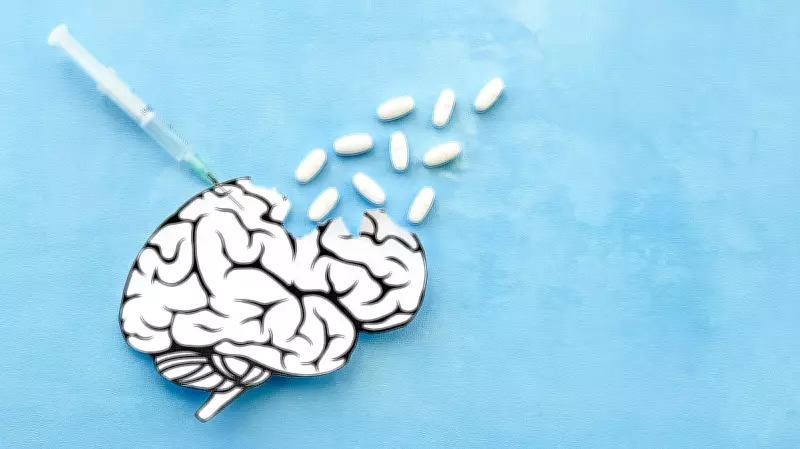
Addiction as a Neurobiological Disease
Addiction is now widely understood as a neurobiological disease — one that alters the brain’s physical architecture and disrupts cognitive processes. According to the National Institute on Drug Abuse (NIDA), addiction is a chronic, relapsing disorder characterized by compulsive drug seeking and use despite adverse consequences. It is considered a brain disorder because it involves functional changes to brain circuits involved in reward, stress, and self-control.
How Addiction Changes the Brain
Repeated exposure to addictive substances or behaviors triggers long-lasting changes in the brain's reward system, particularly the release of dopamine. Over time, the brain adapts by reducing its sensitivity to dopamine, leading to tolerance and the need for higher doses to achieve the same effect. This process also weakens the prefrontal cortex, which governs impulse control and decision-making.
Impact on Cognitive Functions
Addiction impairs cognitive functions such as memory, attention, and executive function. Studies show that individuals with addiction often exhibit deficits in learning and flexibility. For example, a 2023 study in Nature Neuroscience found that cocaine users had reduced gray matter in the orbitofrontal cortex, affecting decision-making. According to Dr. Nora Volkow, director of NIDA, “Addiction hijacks the brain’s natural reward system, making it difficult for individuals to control their behaviors despite negative consequences.”

Long-Term Consequences and Recovery
Chronic addiction can lead to permanent brain damage, including reduced brain volume and impaired neuroplasticity. However, recovery is possible with treatment, as the brain can partially heal through neuroplasticity. Behavioral therapies and medications can help restore balance to brain circuits. The World Health Organization reports that about 35 million people worldwide suffer from drug use disorders, highlighting the global impact of addiction on brain health.
Conclusion
Understanding addiction as a brain disease reduces stigma and emphasizes the need for medical intervention. Continued research into neurobiological mechanisms offers hope for more effective treatments and prevention strategies.