Monsoon Gains Momentum Across Karnataka
The southwest monsoon has picked up pace in Karnataka, with heavy rains lashing the Malnad region and several northern districts over the past 24 hours. According to the India Meteorological Department (IMD), many areas recorded rainfall exceeding 10 cm, leading to waterlogging and disruption of normal life.
Worst-Hit Areas and Rainfall Data
The Malnad region, including Shivamogga, Chikkamagaluru, and Hassan, witnessed continuous downpour, with some places receiving up to 15 cm of rain. In north Karnataka, districts like Belagavi, Dharwad, and Uttara Kannada also experienced heavy showers. The IMD reported that the monsoon trough is active, and conditions are favorable for further intensification.
Impact on Daily Life and Agriculture
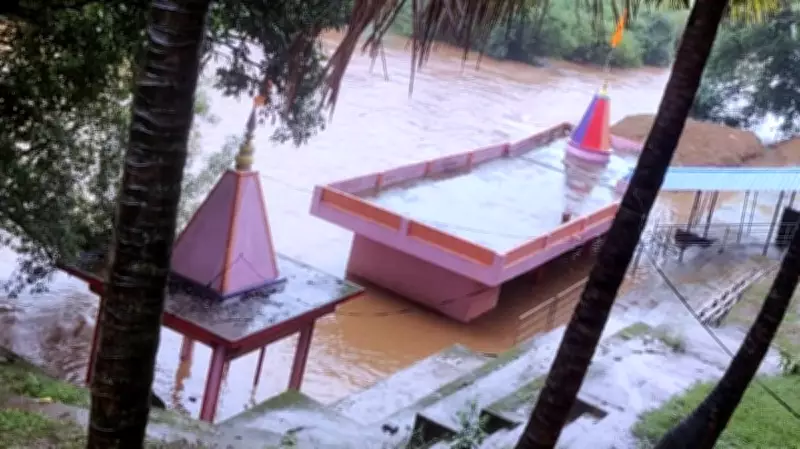
The heavy rains have caused waterlogging in low-lying areas, leading to traffic snarls and delays. In Shivamogga, several roads were submerged, forcing commuters to take alternate routes. Farmers in the region have welcomed the rains as they are crucial for kharif crops, but excessive downpour has raised concerns about potential damage to standing crops. According to a local farmer, “The rains are good for paddy, but we need a break to prevent flooding.”

IMD Forecast and Warnings
The IMD has issued an orange alert for several districts, predicting heavy to very heavy rains at isolated places over the next two days. Fishermen have been advised not to venture into the sea along the Karnataka coast as squally weather is expected. The department also warned of possible landslides in hilly areas of the Western Ghats.
Rescue and Relief Measures
The Karnataka State Natural Disaster Monitoring Centre (KSNDMC) has been put on high alert. Officials are monitoring the situation and have deployed rescue teams in vulnerable areas. So far, no major casualties have been reported, but the administration has advised people in low-lying areas to move to safer locations. The government has opened relief centers in some districts.
Historical Context and Comparison
This year’s monsoon onset was slightly delayed, but the current spell has brought the rainfall deficit down significantly. Compared to the same period last year, the state has received 20% more rainfall, according to IMD data. However, experts caution that the spatial distribution remains uneven, with some regions still facing dry conditions.