India's Natural Hazards Demand School Readiness
India faces significant environmental threats across its vast landscape. Official data from the National Disaster Management Authority reveals sobering statistics. Approximately 58.6 percent of the country's land area faces earthquake risks. Floods and river erosion threaten about 12 percent of the territory. The extensive coastline, stretching over 5,700 kilometers, remains vulnerable to cyclones and tsunamis.
Children Bear the Brunt of Disasters
Disaster preparedness for children is not about creating fear or transforming schools into emergency centers. The goal is to build muscle memory through consistent practice. Schools must replace panic with clear plans and confusion with defined roles. Safety education deserves a central place in the curriculum, not just an extracurricular activity.
The need for action is immediate and constant, not seasonal. Emergencies disrupt learning and leave deep psychological impacts on young minds. UNICEF reports that floods, cyclones, heatwaves, and other crises affect up to 24.1 million Indian children every year.

Children experience vulnerability differently than adults. They rely on routines and adult guidance. When schools lack preparedness, children suffer first because they have minimal control over unfolding events.
Moving Beyond Basic Safety Posters
Many Indian schools display fire extinguishers and safety charts. Fewer institutions demonstrate functional systems for real emergencies when power fails, corridors crowd, or rumors spread rapidly. Beyond earthquakes, floods, and cyclones, students should learn about India's geological risks, including volcanic landscapes.
Effective preparedness involves three interconnected components, yet schools often focus only on the first element.
Essential Infrastructure Requirements
Boundary walls, safe exits, clear staircases, proper signage, electrical safety, and access control represent basic safety standards, not premium features. The National Commission for Protection of Child Rights has consistently noted uneven implementation of these fundamental measures across Indian schools.
Training That Becomes Automatic
Annual drills performed for compliance lack effectiveness. True preparedness requires regular repetition, varied scenarios, and thorough follow-up procedures.
Developing a Culture of Calm
The initial minutes of any emergency prove most critical. Children observe adult reactions closely. When adults remain calm and decisive, children respond appropriately rather than scattering in panic.
Age-Appropriate Disaster Education
Schools achieve best results when they tailor disaster readiness to different age groups through routine-based learning.
For Younger Students (Classes 1-5)
- Recognizing alarm sounds and evacuation signals
- Following simple rules like 'stop, listen, and follow the line'
- Identifying safe locations and trusted adults
- Learning emergency numbers and their purposes
For Middle School (Classes 6-8)
- Earthquake response: 'Drop, Cover, Hold' technique and rationale
- Fire safety: understanding smoke dangers, staying low, avoiding hiding
- Flood precautions: avoiding drains and waterlogged areas
- Basic first aid for bleeding, sprains, burns, and knowing when to seek help
For Senior Students (Classes 9-12)
- Assuming leadership roles during evacuations
- Learning basic search and rescue principles for safe spaces
- Managing crowds and assisting younger students
- Practicing responsible digital behavior during crises to counter rumors and misinformation
National Efforts and Implementation Gaps
The NDMA provides school safety guidelines and programs. The National School Safety Programme serves as a demonstration project covering 8,600 schools across 43 districts in 22 states and union territories. However, India's vast educational system includes far more institutions than this initiative reaches. Preparedness today represents a scaling challenge rather than a pilot problem.

Orchids International School's Proactive Approach
Orchids The International School has implemented comprehensive emergency readiness measures. The institution prioritizes student and staff safety through well-defined response protocols for natural events, medical situations, and security incidents. These procedures undergo regular review to ensure practicality and alignment with established safety standards.
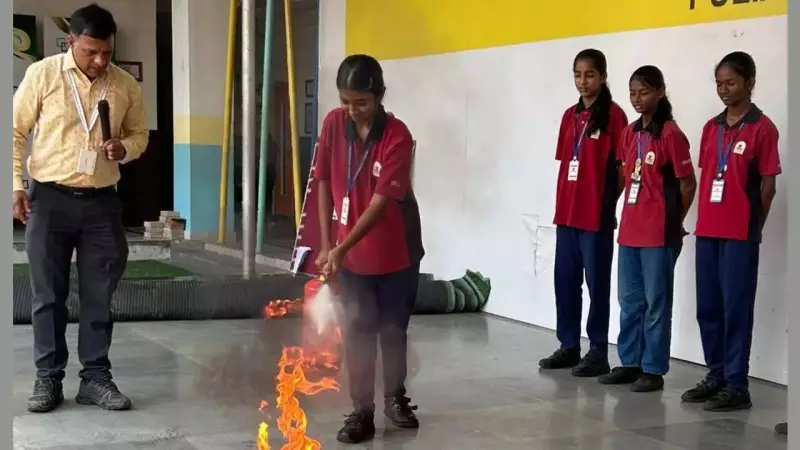
The school maintains a dedicated fire safety calendar with strict guidelines for all branches. Key practices include:
- Conducting expected and unexpected annual fire drills with full participation
- Weekly inspection of fire equipment by campus in-charge
- Regular checks of stairways, doors, and windows to ensure they remain unblocked and functional
- Training students to respond appropriately to fire alarms during drills
- Ensuring awareness of fire protection system locations, alarm stations, and sprinklers
- Displaying emergency exit maps in every room
- Pairing students with special needs with adult or peer assistants
- Establishing predetermined meeting locations after building evacuation
- Maintaining attendance rosters for accurate student accounting
- Installing fire extinguishers every 15 meters across campuses
Captain Ramesh Raju, National Head of Security at Orchids The International School, explains their commitment. "Disaster and emergency preparedness receives top priority on every campus. We maintain standard operating procedures for fully equipped emergency response teams. These teams include principals, operations managers, coordinators, teachers, nursing staff, and security personnel. Regular drills and training ensure everyone understands evacuation and safety procedures during natural disasters and other crises. We designate safe zones within school premises to prevent panic and facilitate orderly evacuation during earthquakes, fires, or other emergencies."
The Lasting Value of Preparedness
Disaster preparedness delivers benefits in every situation. It reduces harm during actual emergencies while building confidence during normal times. When real crises occur, children should not encounter safety concepts for the first time. They should practice familiar procedures with assurance and composure.