

Lancet Commission Calls for Fundamental Reforms in India's Healthcare System
The prestigious medical journal The Lancet has published its first-ever commission dedicated entirely to India's healthcare landscape, marking a significant moment in global health discourse. Released on January 21, 2026, this comprehensive report comes after more than five years of meticulous research by a diverse team of scholars from India and the diaspora.
India's Healthcare Achievements and Persistent Challenges
According to the commission's findings, India has demonstrated remarkable progress over the past two decades in advancing toward universal health coverage. The country has established:
- Cross-party political consensus on the government's crucial role as financier, provider, and steward of the health system
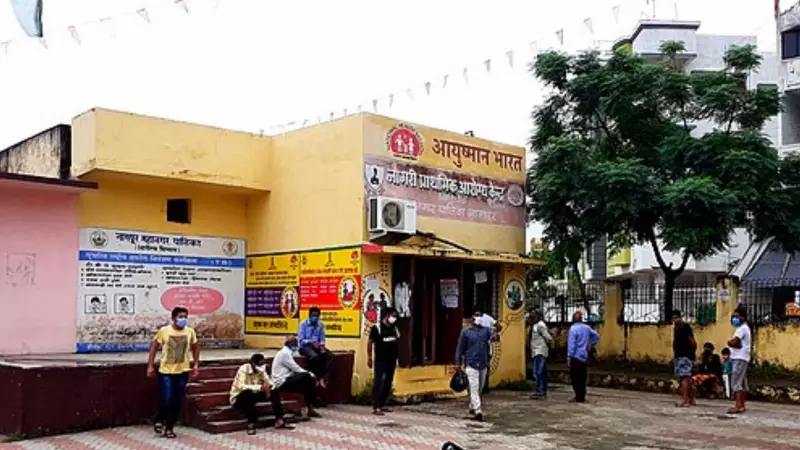
- A vast healthcare infrastructure spanning from over one million community health workers to sophisticated tertiary hospitals
- A robust pharmaceutical industry that meets domestic needs while exporting medicines and vaccines globally
- Significant human resource development, with thousands of doctors and nurses graduating annually
Despite these achievements, the commission identifies a critical gap between availability and quality. While access to healthcare has improved substantially, the quality of care remains alarmingly inadequate across both public and private sectors.

The Quality Crisis: Statistics and Consequences
The commission presents sobering data about the human cost of poor healthcare quality:
- The 2021 Economic Survey estimated approximately 1.6 million deaths in India during 2018 were attributable to poor quality of care
- More people died from receiving substandard healthcare than from lack of access to medical services
- Maternal and neonatal mortality persist due to poor adherence to evidence-based protocols and unavailable emergency obstetric care
- Studies reveal serious deficiencies in provider competence, with frequent misdiagnoses and inappropriate treatments
This quality crisis has far-reaching consequences:
- Irrational prescriptions and unnecessary diagnostic tests account for nearly two-thirds of total out-of-pocket healthcare expenditures
- Poor quality care leads to worse health outcomes for patients
- Inappropriate antibiotic use contributes to growing antimicrobial resistance
- Uneven primary care quality drives patients to bypass this level for even minor health issues, overwhelming higher-level facilities
The commission notes that disadvantaged social groups and rural populations experience even worse quality of care, exacerbating existing health inequities.
A Call for Systemic Culture Change
The Lancet Commission emphasizes that India's healthcare focus must now shift decisively from availability to quality. At the heart of this transformation lies a fundamental culture change centered on accountability and integrity throughout the health system.
Key recommendations include:
- Reforming healthcare provider training to emphasize quality and evidence-based practice
- Ensuring high-quality primary care accessible to every citizen
- Implementing major reforms in healthcare financing and governance structures
- Empowering state, district, and local institutions to design and implement responsive reforms
- Enhancing citizen awareness about healthcare entitlements and provider performance
Technology and Governance as Catalysts
The commission recognizes technology's potential to drive healthcare improvements:
- Data-driven monitoring of antibiotic use patterns
- Digital platforms providing communities with information about local primary care services
- Health systems that continuously learn from data and collaborate in learning networks
These technological interventions, combined with strengthened governance, can create a self-improving healthcare ecosystem that prioritizes patient outcomes over mere service provision.

The commission's work echoes the original mission of The Lancet's founder, Thomas Wakley, who sought to address "corruption, nepotism, and incompetence" in medical establishments. As India continues its healthcare journey, this comprehensive report serves as both a recognition of progress made and a urgent call to address the quality gaps that still threaten millions of lives.





