In a significant escalation of their ongoing protest, government doctors across Odisha have extended their daily outpatient department (OPD) strike from one hour to two hours, mounting pressure on the state administration to address their long-pending demands. The strike, which has entered a critical phase, is causing considerable inconvenience to patients relying on public healthcare facilities.
Strike Escalation and Patient Ordeal
The Odisha Medical Service Association (OMSA), representing the striking doctors, initiated a symbolic one-hour OPD shutdown daily from 10 am to 11 am starting December 26. This continued until January 4. However, with their grievances remaining unaddressed, the association ramped up the protest on Monday, extending the OPD closure to two hours from 9 am to 11 am.
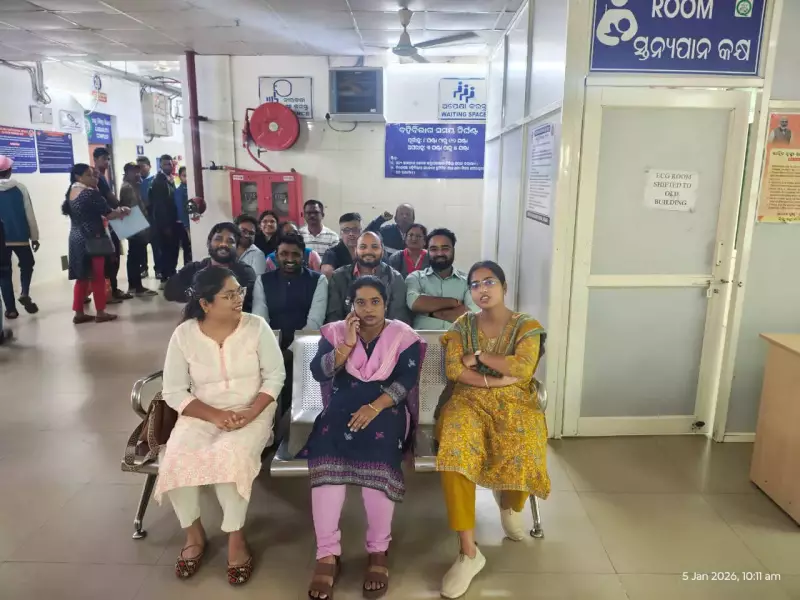
This decision has directly impacted patient care. With OPDs shut during the morning peak hours, many patients, especially those from economically weaker sections, are forced to endure long, uncertain waits. Satya Nayak, a patient from Bhandaripokhari in Bhadrak district, shared his plight, stating he reached the hospital at 9 am but could not consult the doctor immediately due to the strike. The delay caused him to miss urgent work at home, located 20 km away.

Another patient, Jitu Senapati from Kendrapada, had to return home without consultation as he could not wait on an empty stomach. He appealed to the government for a swift resolution, highlighting the disproportionate impact on the poor who cannot afford private clinics.
Doctors' Demands and Government Response
The core demands of the doctors include pay parity with central health service counterparts and the abolition of level 15 in the state pay structure. OMSA General Secretary, Sanjib Kumar Pradhan, issued a stern warning, stating that if the government fails to fulfil their demands by January 14, the daily OPD strike will be further extended from two hours to four hours.
Pradhan expressed hope for a timely resolution, emphasising that the token protest is a last resort. "We do not want to create inconvenience for patients, but we do not have any other way except this token protest," he added.
Responding to the crisis, State Health Minister Mukesh Mahaling assured that the government is actively engaged in resolving the matter. He revealed that an inter-departmental committee has been formed to review the doctors' demands, and meetings have already been conducted.
The minister announced immediate acceptance of two specific demands: increasing the stipend for conducting post-mortems from Rs 500 to Rs 1,000, and enhancing PG incentives for dentists. He appealed to the agitating doctors to call off the strike and resume normal patient service.
Impasse and Impending Crisis
The situation remains at a stalemate. While the government has shown movement on peripheral issues, the primary demands concerning pay parity and structural changes are yet to be met. The doctors' union has set a clear deadline, signalling their preparedness for a more disruptive protest.
This standoff threatens to deepen the healthcare crisis in Odisha's public hospitals. With the union's January 14 ultimatum looming, all eyes are on the state government to broker a solution that addresses the legitimate concerns of its medical workforce while ensuring uninterrupted care for the millions dependent on state-run facilities.