Pharmexcil Chairman Advocates for Immediate Policy Focus on Health Challenges
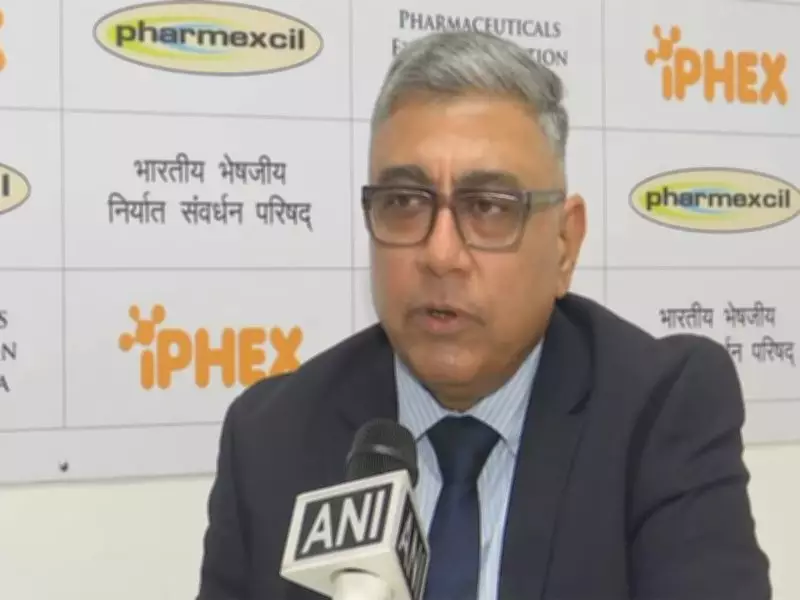
Namit Joshi, the Chairman of the Pharmaceuticals Export Promotion Council of India (Pharmexcil), has issued a compelling call for urgent policy attention to address critical health issues facing the nation. In a recent statement, he emphasized that challenges such as obesity, digital addiction, and mental health problems require immediate and coordinated action from policymakers to safeguard public well-being.
Growing Concerns Over Obesity and Digital Addiction
Joshi pointed out that obesity has emerged as a significant public health threat in India, with rising rates linked to sedentary lifestyles and poor dietary habits. He stressed that this issue not only impacts individual health but also places a substantial burden on the healthcare system, increasing the risk of chronic diseases like diabetes and heart conditions.
Similarly, digital addiction, particularly among youth, is becoming a pressing concern. Joshi highlighted how excessive screen time and reliance on digital devices are contributing to physical inactivity, sleep disorders, and social isolation. He argued that without proper guidelines and awareness campaigns, this trend could exacerbate mental health issues and hinder overall development.

Mental Health Issues Demand Priority in Policy Frameworks
The Chairman underscored the importance of integrating mental health into mainstream policy discussions. He noted that mental health disorders, often stigmatized and overlooked, are on the rise in India, affecting productivity and quality of life. Joshi called for enhanced support systems, better access to mental healthcare services, and public education initiatives to destigmatize these conditions.
Pharmexcil's Role and Recommendations
As the head of Pharmexcil, Joshi outlined the council's potential role in addressing these challenges. He suggested that Pharmexcil could collaborate with government bodies, healthcare providers, and industry stakeholders to develop comprehensive strategies. Key recommendations include:
- Implementing public health campaigns to promote healthy lifestyles and combat obesity.
- Establishing digital wellness programs to educate on responsible technology use.
- Advocating for increased funding and resources for mental health infrastructure.
- Encouraging research and innovation in pharmaceuticals to support treatment options.
Joshi concluded by urging policymakers to prioritize these issues in national health agendas, emphasizing that timely intervention is crucial to prevent long-term societal and economic impacts. His remarks highlight a growing recognition of the interconnected nature of modern health challenges and the need for holistic policy solutions in India.