Responding to persistent demands from the medical community, the Punjab government has announced a significant security upgrade for its healthcare facilities. Starting in January 2026, the state will deploy 200 security guards across government hospitals in all 23 districts to safeguard doctors, nurses, and support staff.
Mounting Pressure Leads to Action
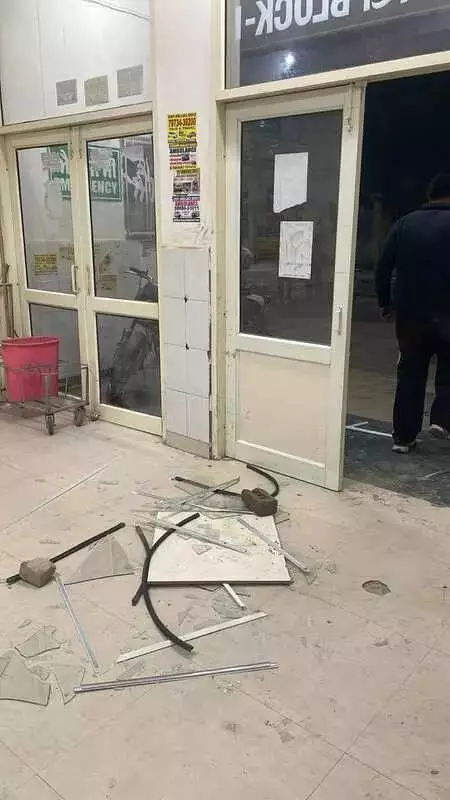
The decision comes after months of intense pressure from doctors' associations highlighting the perilous working conditions in state-run hospitals. Medical personnel have faced repeated incidents of physical assault, verbal abuse, and intimidation, particularly during night shifts, due to inadequate security. The Punjab Civil Medical Services Association (PCMSA) documented approximately 60 cases of violence against doctors in government hospitals over the past year alone.
Healthcare bodies had consistently warned that a combination of insufficient security, chronic staff shortages, and overwhelming patient loads was creating an unsafe and hostile environment for workers. This new security deployment is a direct response to these urgent concerns.

District-Wise Deployment and Funding Plan
According to a formal communication issued by the Punjab Health Systems Corporation (PHSC), the finance department and the health minister have approved hiring the 200 guards through an outsourcing agency named PESO. The guards will be posted for an initial period covering January and February 2026.
The state has outlined a detailed deployment strategy. Ludhiana district hospital will receive the highest allocation of 12 guards. Major districts like Amritsar, Bathinda, Jalandhar, and Patiala will each get 11 guards. Nine guards each will be sent to hospitals in Fazilka, Ferozepur, Gurdaspur, Hoshiarpur, Kapurthala, Moga, Muktsar, Sangrur, and Mohali. The remaining districts—Barnala, Faridkot, Fatehgarh Sahib, Malerkotla, Mansa, Pathankot, Ropar, Nawanshahr, and Tarn Taran—will be allotted 7 security guards each, completing the total of 200.
For the two-month pilot, salaries will be paid from ESER charges or the Emergency Response Fund (ERF). The only exceptions are Bathinda, Muktsar, MKH Patiala, and Nawanshahr, where payments will be sourced from user charges. The health department's joint chief financial advisor has been instructed to ensure proper budgetary provisions are made in the 2026–27 financial year to continue the salaries from March 2026 onward.
A Welcome But Temporary Step, Say Doctors
Medical associations have welcomed the move but emphasize that it must be the beginning of a permanent solution. Dr. Akhil Sarin, President of the PCMSA, described the deployment as a "much-needed relief" for staff working in constant fear.
"For a long time, we have raised alarms about the recurring violence in government hospitals, especially at night. The arrival of security guards is a necessary first step to reinstating a sense of safety," Dr. Sarin stated. However, he strongly cautioned against letting this remain a short-term measure. He called for the establishment of a permanent, well-funded security framework coupled with the strict enforcement of laws designed to protect healthcare workers from violence.
The consensus within the medical fraternity is clear: while the 2026 deployment is a positive development, sustainable safety requires institutional commitment, adequate funding, and stringent legal action against offenders to ensure a long-term secure environment for those serving in Punjab's public health system.