

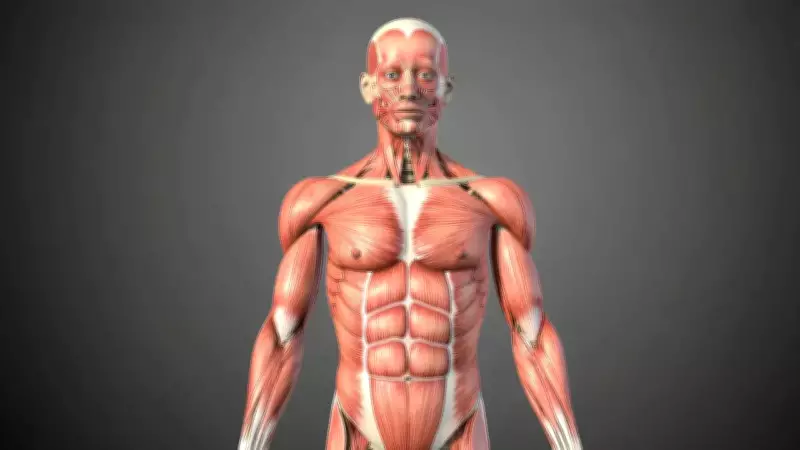
GK Fact of the Day: 5 Largest Muscles of the Human Body
ETimes.in / Updated: Apr 23, 2026, 14:54 IST
The human body is a marvel of biological engineering, with muscles that enable movement, stability, and strength. Among them, certain muscles stand out due to their sheer size and functional importance. Here is a look at the five largest muscles in the human body, based on their mass and surface area.
1. Gluteus Maximus
The gluteus maximus is the largest of the three gluteal muscles and forms most of the shape of the buttocks and hip area. It is a thick, powerful muscle that helps with movements like standing up, climbing stairs and extending the hip while walking or running. Because of its size and strength, it plays a major role in lower-body power and posture. This muscle is essential for activities that require explosive leg movement, such as sprinting and jumping.

2. Quadriceps Femoris
The quadriceps femoris is a large muscle group in the front of the thigh made up of four parts: rectus femoris, vastus lateralis, vastus intermedius, and vastus medialis. These muscles work together to straighten the knee and support actions such as walking, running, squatting and jumping. The quadriceps is one of the body's most important strength and movement groups. It is heavily engaged in lower-body exercises and is crucial for athletic performance.
3. Latissimus Dorsi
The latissimus dorsi is a wide, flat muscle that covers most of the lower back and reaches toward the upper arm. It helps pull the arm downward, backward and inward, which is useful in actions like climbing, rowing and lifting. It also assists in breathing during forceful respiration, showing how important it is for both movement and function. This muscle is often referred to as the "lats" and is a key target in back-strengthening workouts.
4. Pectoralis Major
The pectoralis major is a thick, fan-shaped muscle located on the chest. It is responsible for movements of the shoulder joint, including flexion, adduction, and rotation of the arm. This muscle is particularly active in pushing motions, such as in bench presses or push-ups. It also assists in deep breathing when the arms are fixed, making it vital for both upper-body strength and respiratory mechanics.
5. Obliques (External and Internal)
The obliques, consisting of the external and internal oblique muscles, are located on the sides of the abdomen. They allow for trunk rotation and lateral flexion, as well as assisting in forced exhalation. These muscles are crucial for core stability and are heavily involved in sports that require twisting movements, such as golf or tennis. They also contribute to maintaining proper posture and protecting the spine.
These five muscles exemplify the body's remarkable capacity for power and movement. Understanding their roles can help in designing effective fitness routines and appreciating the complexity of human anatomy.

