

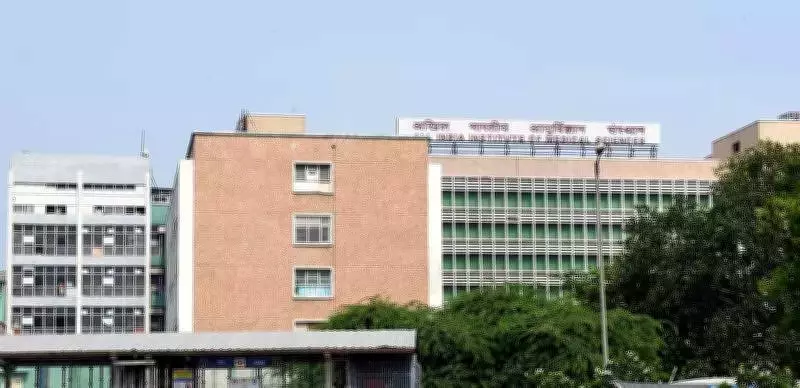
AIIMS Delhi Pioneers India's First Face Transplant Program
In a groundbreaking medical advancement, the All India Institute of Medical Sciences (AIIMS) in New Delhi has officially launched India's first-ever face transplant program. This initiative aims to perform the country's inaugural face transplant surgery within the next twelve months, pending necessary regulatory approvals. For countless patients enduring horrific facial deformities despite undergoing numerous reconstructive surgeries, this program represents a transformative new option.
Beyond Cosmetic Surgery: Restoring Function and Identity
A face transplant is a highly complex procedure that involves replacing part or all of a patient's face with tissue from a deceased donor. This is not merely a cosmetic intervention; its primary goal is to restore essential physiological functions that are often lost due to severe injury. These functions include speech, breathing, eating, eyelid closure, and the ability to form facial expressions. For individuals whose injuries are beyond the scope of conventional reconstructive techniques, this surgery offers a chance at functional recovery.
"Many suffer devastating facial deformities due to acid attacks, gunshot injuries, and burns," explained Dr. Maneesh Singhal, head of plastic, reconstructive and burns surgery at AIIMS. "Identifying the right candidate for the transplant and counselling him or her is essential. Unmotivated or unstable patients — those with active infections or cancers — are not suitable. That said, face transplantation is no longer experimental, it is the need of the hour."

The Surgical Challenge and Lifelong Care
The procedure itself is an immense undertaking, typically lasting between 14 to 16 hours. Surgeons must perform meticulous reconnection of blood vessels and nerves under a microscope. However, the journey does not end in the operating room. Even after a successful transplant, patients face a lifetime of medical management. They must take immunosuppressive drugs indefinitely to prevent their bodies from rejecting the donor tissue and require continuous, close monitoring for potential complications.
Dr. Dipankar Bhowmick, head of nephrology at AIIMS, emphasized the institute's preparedness. "Immunosuppression plays a critical role, and all infrastructure and facilities are available at AIIMS. I am excited and will provide the best possible support for this initiative," he stated, confirming the hospital's robust systems for such advanced transplants.
Overcoming the Donor Matching Hurdle
One of the most significant challenges for the program is donor matching. Unlike internal organ transplants, a face transplant requires visible compatibility. The donor and recipient must be of the same sex, and their skin tones should be broadly similar. Furthermore, the process demands securing family consent within hours of a donor's brain death, all while navigating ethical clearances and complex transplant coordination logistics.
A Multidisciplinary Approach to Healing
The new program is based at AIIMS's burns and plastic surgery block, established in 2021. It brings together a comprehensive, multidisciplinary team comprising surgeons, transplant physicians, nephrologists, anaesthesiologists, psychiatrists, and rehabilitation experts. Psychological support is considered integral to the process.
Dr. Preethy K from the department of psychiatry highlighted this aspect, noting that "psychological screening and long-term counselling will be mandatory throughout the course of treatment." This holistic approach addresses not just the physical trauma but also the severe social stigma and isolation often faced by patients with facial disfigurements.
Global Recognition and Local Impact
The program has garnered international endorsement. Dr. Indranil Sinha of Brigham and Women's Hospital, Harvard Medical School, affirmed that "the skill set and infrastructure at AIIMS are on a par with international standards," pledging his support. Globally, face transplants are performed in only a handful of countries under strict regulation; India is now poised to join this select group.

AIIMS handles a vast caseload, performing over 8,000 procedures in burns and plastic surgery annually and treating numerous acid-attack survivors and severe trauma patients. For many, repeated conventional reconstruction offers only limited functional and aesthetic improvement.
This pioneering move by AIIMS Delhi is more than a surgical milestone. For patients living with severe disfigurement, it offers a profound possibility: the chance to reclaim their identity, expression, and dignity, fundamentally altering their quality of life.





