

The Viral 'Nihilist Penguin' Video and Its Unexpected Medical Connection
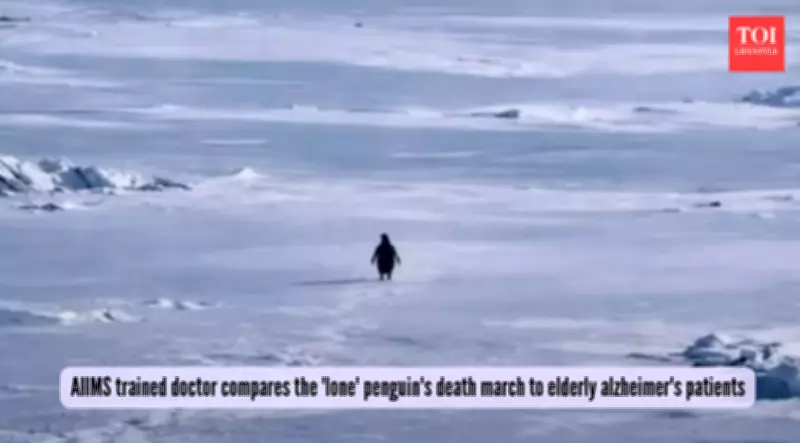
A fascinating video clip featuring a solitary penguin trudging away from its flock toward barren, icy mountains has captured the imagination of social media users worldwide. Originally sourced from Werner Herzog's 2007 documentary Encounters at the End of the World, the footage shows an Adélie penguin embarking on what appears to be a purposeless journey into emptiness.
From Internet Meme to Medical Metaphor
Online communities quickly dubbed the creature the "nihilist penguin," transforming the clip into a relatable symbol for modern existential themes. Many viewers interpreted the penguin's lonely march as representing:
- Burnout and emotional exhaustion
- Existential questioning and life's "why not?" moments
- A desire to escape from societal pressures
- Philosophical reflections on purpose and direction
Filmmaker Werner Herzog himself described the penguin's behavior as a "death march," noting that penguins typically rely on environmental cues for navigation. When these cues become disrupted due to illness, disorientation, or extreme weather conditions, such seemingly aimless wandering can occur.

AIIMS Neurologist Offers a Clinical Perspective
Dr. Rahul Chawla, an AIIMS-trained neurologist, has presented a completely different interpretation of the viral phenomenon through an Instagram video that has gained significant attention. Rather than viewing the penguin's behavior through philosophical or psychological lenses, Dr. Chawla draws parallels to serious neurological conditions affecting humans.
"In the viral video, the penguin leaves its group and starts walking toward distant mountains where there is neither water nor food. Something similar is observed in patients with Alzheimer's disease as well," Dr. Chawla explained in his social media post.
Understanding Visuospatial Dysfunction in Alzheimer's
According to Dr. Chawla's medical interpretation, the penguin's behavior likely represents not depression or philosophical nihilism, but rather visuospatial dysfunction. This neurological condition involves difficulty processing visual and spatial information, which severely disrupts the brain's internal navigation system.
"Our brain contains a sophisticated navigation system that helps us recognize our home, identify family members, and remember pathways to familiar locations," Dr. Chawla elaborated. "Alzheimer's disease impairs not just memory functions but also compromises this crucial navigation capability."
The Heartbreaking Reality of Alzheimer's-Related Wandering
Dr. Chawla's analysis reveals a poignant dimension to both the penguin's behavior and the experience of Alzheimer's patients. The wandering observed in such patients doesn't stem from rebellion, sadness, or a desire to escape. Instead, it originates from a profound neurological disruption that alters their perception of familiar environments.
"Patients with Alzheimer's don't recognize that they're leaving their own homes," Dr. Chawla clarified. "Their minds retain only faint, fragmented memories from the past, causing them to move toward places that feel vaguely familiar. They don't leave because they're troubled or depressed—they step out because their home no longer feels like their own."
This perspective suggests the penguin in the viral video may have experienced a similar confusion, with its colony suddenly appearing unfamiliar due to neurological or environmental factors rather than any existential crisis.
Broader Implications for Understanding Neurological Conditions
The medical interpretation of this viral phenomenon highlights several important aspects of Alzheimer's disease and related conditions:

- Alzheimer's affects more than just memory—it disrupts fundamental spatial awareness and environmental recognition
- Wandering behavior in patients represents lost instinct rather than intentional action
- The condition creates profound disorientation that can make even the most familiar surroundings seem foreign
- Early recognition of such symptoms can lead to better management and care strategies
This unexpected connection between a viral internet sensation and serious medical insight demonstrates how popular culture can sometimes illuminate complex health issues in accessible ways. The "nihilist penguin" has thus evolved from a simple meme into a powerful metaphor for understanding the heartbreaking realities of neurological disorders affecting navigation and environmental recognition.





