Advanced Medical Procedure Gives Elderly Patient a Second Chance at Life in Amritsar
In a remarkable medical achievement, a 77-year-old individual suffering from advanced chronic obstructive pulmonary disease (COPD) and severe aortic stenosis has been granted a new lease on life following a successful transcatheter aortic valve replacement (TAVR) procedure at Livasa Hospital in Amritsar. This case highlights the growing efficacy of minimally invasive cardiac interventions for high-risk patients.
Addressing Complex Health Challenges
The patient, whose identity remains confidential, had been grappling with worsening breathlessness that progressively impacted daily activities, eventually making even speaking a strenuous task. While COPD was a pre-existing condition, further medical evaluation uncovered a critical and often overlooked factor: severe aortic stenosis. This condition involves a narrowing of the aortic valve, which severely restricts blood flow from the heart, compounding the respiratory issues.
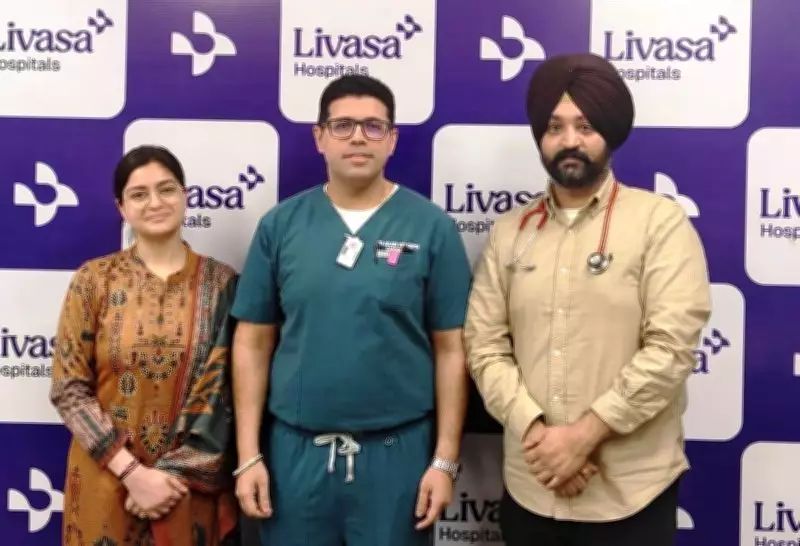
Dr. Arjun Ved Gupta, a consultant cardiologist at Livasa Hospital, emphasized the clinical complexity during a press conference. He stated, "This was a high-risk case due to the patient's severe COPD and overall frailty. Traditional open-heart surgery posed significant dangers, making it an unsafe option. The TAVR procedure allowed us to replace the diseased valve without subjecting the patient to the immense stress of major surgery."

The Role of Multidisciplinary Expertise
A dedicated multidisciplinary heart team meticulously assessed the situation before opting for TAVR. This catheter-based technique is minimally invasive, enabling valve replacement without the need to open the chest cavity. Dr. Gupta added that the rapid recovery and notable improvement in symptoms post-procedure strongly reaffirm the effectiveness of such advanced interventions for carefully selected patients.
The successful outcome underscores several key points in modern healthcare:
- Personalized Treatment Plans: Tailoring medical approaches to individual patient profiles, especially for elderly or frail individuals.
- Technological Advancements: Leveraging innovations like TAVR to reduce surgical risks and enhance recovery times.
- Holistic Patient Care: Addressing multiple co-existing conditions through collaborative medical expertise.
This case serves as a beacon of hope for others facing similar health challenges, demonstrating that with the right medical strategy, even the most complex conditions can be managed effectively. The patient's journey from debilitating symptoms to a renewed quality of life marks a significant milestone in cardiac care in the region.